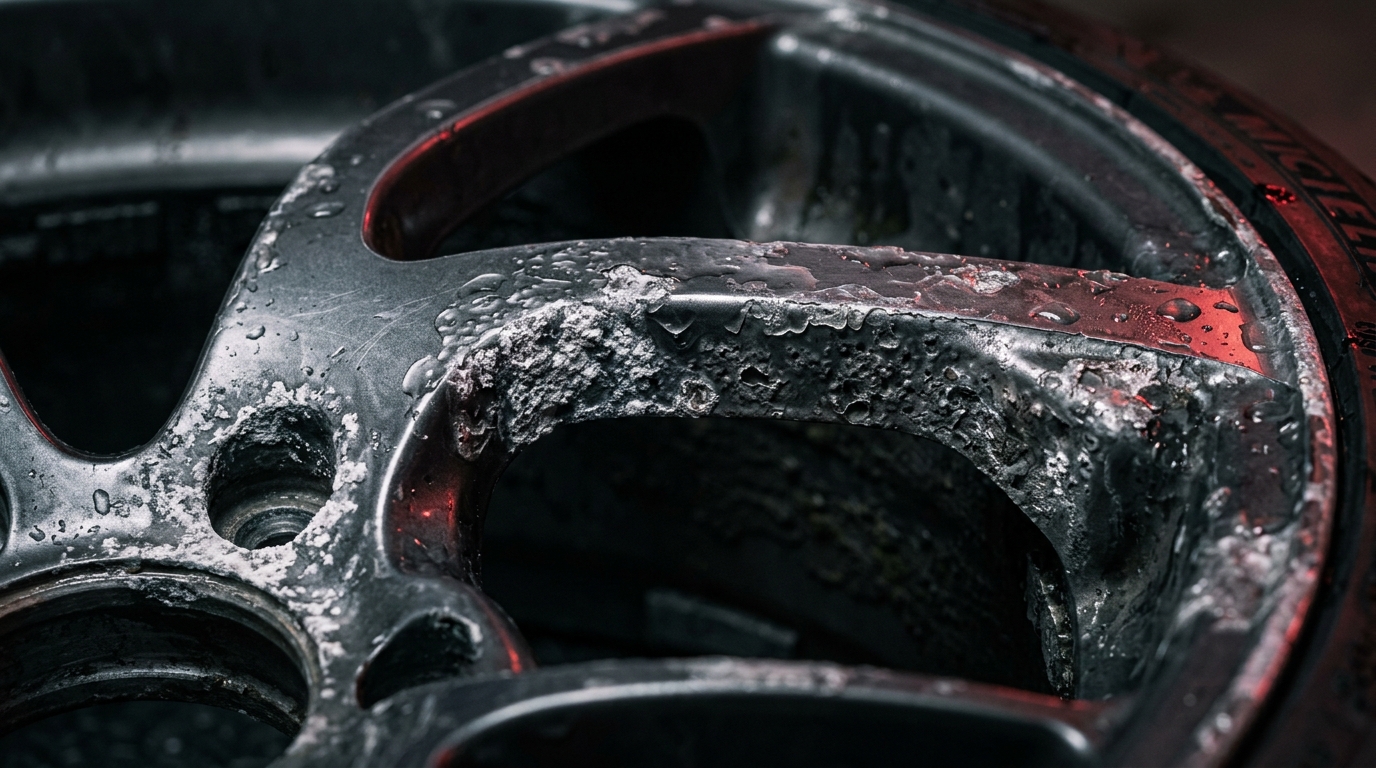
A small bubble beneath the lacquer, a patch of white powder around the rim edge, or paint lifting near a kerb mark can quickly spoil an otherwise tidy car. So, why do alloy wheels corrode? Usually, it starts when water, road salt and contamination find a way through damage in the wheel's protective finish. Left alone, that small defect can spread beneath the coating and turn a cosmetic issue into a far more difficult refurbishment.
For drivers in Glasgow and across the west of Scotland, wet weather and winter-treated roads make alloy corrosion especially common. The good news is that early corrosion is often repairable, and a correctly refurbished wheel can look sharp and stay protected for years.
Why do alloy wheels corrode in the first place?
Despite the name, most alloy wheels are made primarily from aluminium. Aluminium does not rust in the same way as steel, but it does oxidise. When exposed to air and moisture, it forms an oxide layer. Normally, the wheel's paint, powder coating or lacquer keeps that process under control.
The problem begins when that barrier is compromised. A kerb scuff, stone chip, scratch from a tyre change, or damage around the centre cap can expose the metal or allow moisture to creep underneath the finish. Corrosion then develops below the surface, which is why a wheel can appear to be bubbling or flaking even when the visible damage initially looked minor.
Corrosion is rarely caused by one thing alone. It is usually the combination of water, salt, damaged coating and time. The longer moisture remains trapped beneath a weakened finish, the more the corrosion can spread.
Road salt speeds up the process
Winter road salt is one of the main reasons wheels deteriorate faster in Scotland. Salt water is highly conductive, so it accelerates the electrochemical reaction that causes aluminium to corrode. It gets into kerb damage, stone chips and tiny cracks in old lacquer, then sits there through repeated wet and dry cycles.
A wheel does not need to be visibly battered for salt to cause trouble. Even a fine crack along a diamond-cut lacquer edge can be enough. This is why corrosion often appears after winter, particularly around the outer rim, spoke corners and wheel bolt holes.
Kerb damage creates an entry point
Kerbing is more than an appearance issue. When the painted or lacquered surface is scraped away, the exposed area loses its first line of defence. Water and brake dust collect in the damaged section, and corrosion starts to work under the surrounding coating.
A light scuff can often be dealt with before it becomes widespread. But once paint starts lifting beyond the original impact area, a quick touch-up is unlikely to provide a lasting result. The wheel needs the corrosion properly removed, the surface prepared and a new protective finish applied.
Brake dust and poor cleaning habits matter
Brake dust contains fine metallic particles and can become corrosive when mixed with water, road grime and wheel-cleaning chemicals. If it is left to bake onto warm wheels for long periods, it can stain the finish and encourage contamination to sit in vulnerable areas.
Harsh acidic wheel cleaners can cause their own problems, especially on older wheels with failing lacquer or previously damaged finishes. A cleaner that promises instant results may strip protection, dull a polished face or aggravate existing imperfections. Use a pH-neutral wheel cleaner where possible, allow the wheels to cool first, and avoid aggressive scrubbing around chipped paint.
Diamond-cut wheels need extra care
Diamond-cut wheels have a machined metal face beneath a clear lacquer. They look crisp and premium when new, but the finish is less forgiving once damaged. A stone chip or kerb mark can let water under the lacquer, creating the familiar white, cloudy or worm-like corrosion marks beneath the clear coat.
There is a trade-off with diamond cutting. It delivers a distinctive factory-style finish, but each time a wheel is recut, a small amount of material is removed. Wheels can only be diamond cut within safe manufacturer and structural tolerances. If corrosion is extensive or the wheel has already been cut several times, a full painted or powder-coated finish may offer better long-term protection and a more practical repair.
Can corroded alloy wheels be repaired?
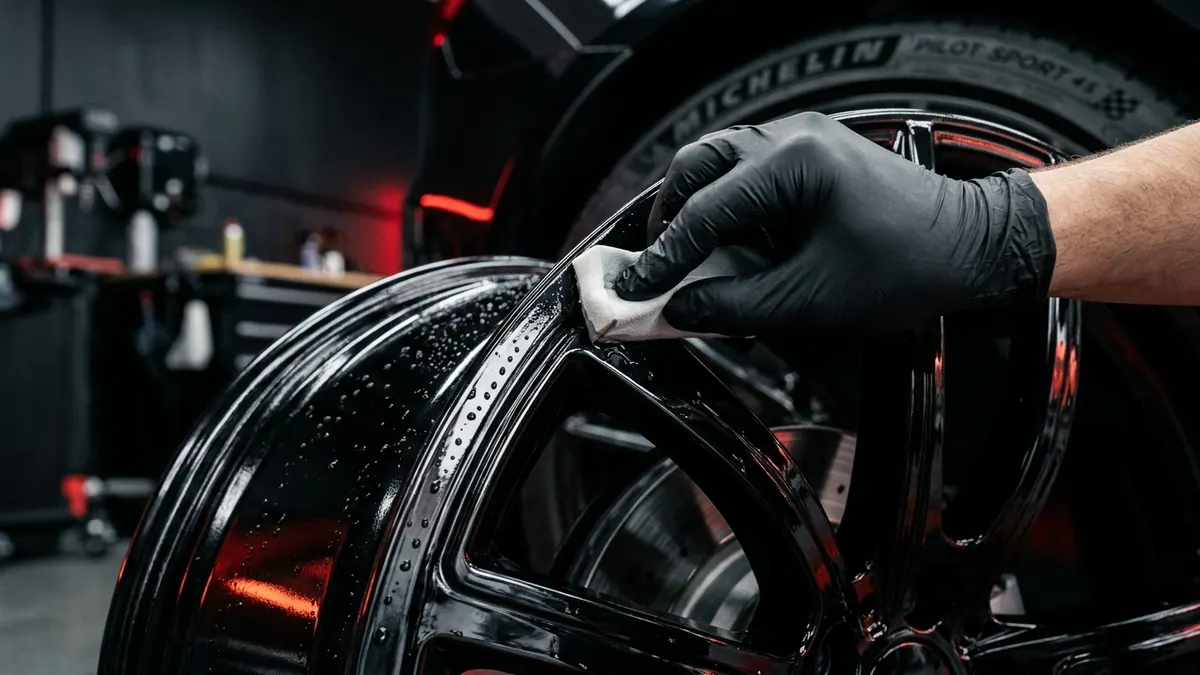
In many cases, yes. Cosmetic corrosion can be removed through a professional refurbishment process. The tyre is removed, the wheel is carefully assessed, old coatings are stripped or removed as required, and corrosion is treated back to sound material. The wheel is then prepared and refinished with the appropriate primer, colour coat and protective top coat, or powder-coated where suitable.
The key is not to paint over corrosion. It may look better briefly, but the reaction underneath continues and the new finish can soon bubble or peel. Proper preparation takes longer because it deals with the cause rather than covering the symptom.
Where a wheel also has a crack, buckle or significant impact damage, cosmetic refurbishment should not be the first concern. Structural condition comes before appearance. A specialist should inspect the wheel for cracks, distortion, air loss and damage around the bead seat before recommending a repair. Some wheels can be safely straightened or welded when assessed correctly; others may need replacing.
Signs you should book an inspection
- White or grey powdery patches on the rim surface or around spoke edges.
- Bubbling or flaking lacquer, particularly near kerb marks or stone chips.
- Paint lifting beyond the original area of visible damage.
- Corrosion around the tyre bead or inner rim edge.
- A tyre that repeatedly loses pressure with no puncture found.
- Vibration through the steering wheel or a change in handling after a heavy impact.
Pay particular attention if the tyre loses pressure but no puncture is found. Corrosion around the inner rim or bead seat can prevent the tyre from sealing correctly. This is not always visible from the outside, and it will not be fixed by repeatedly adding air.
How to slow down alloy wheel corrosion
Regular care will not make a damaged finish perfect, but it can slow further deterioration and protect sound wheels. Washing road salt away during winter is one of the most useful habits. Do not wait for a full valet — a thorough rinse of the wheels, arches and inner rim area after salty journeys makes a genuine difference.
Clean wheels when they are cool, using a suitable pH-neutral product and a soft brush that reaches behind the spokes. Drying them afterwards reduces standing water around bolt holes and rim edges. If you spot a fresh chip or kerb mark, do not leave it until the next service. Getting it assessed early is usually simpler and less expensive than waiting for corrosion to spread.
Avoid using tyre sealants, dressings or cleaners indiscriminately around damaged rim edges. Products can hide the area temporarily, but they do not restore the missing protective coating. Likewise, DIY paint kits can be useful for a very small, low-visibility mark, yet they seldom match the durability or finish of a full professional repair.
Choosing the right finish for long-term protection
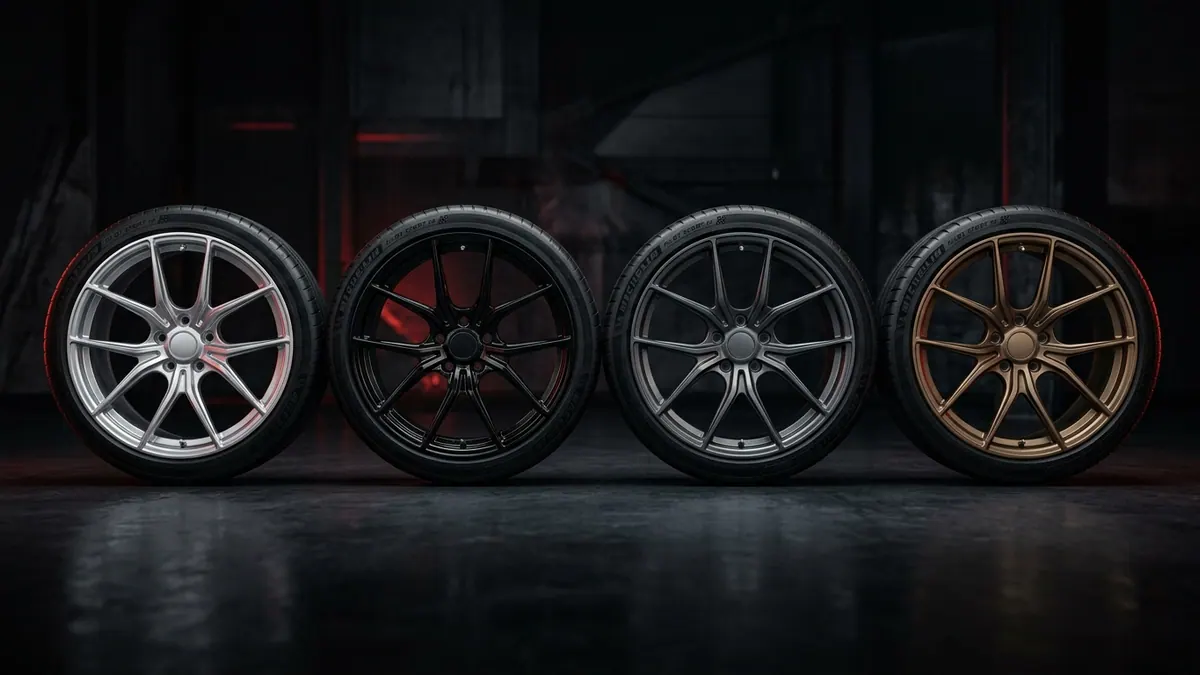
There is no single best finish for every wheel. Powder coating is hard-wearing and well suited to many painted wheel designs, particularly for drivers who want durability through year-round use. Wet paint can provide an excellent colour match and OEM-style appearance. Diamond cutting suits wheels designed with a machined face, although it needs sensible care and prompt attention when damaged.
The best route depends on how the car is used, how severe the corrosion is and whether preserving the original finish matters most. A daily driver that sees salted roads may benefit from a durable painted finish, while an enthusiast-owned car may justify a carefully restored diamond-cut face. Honest advice should account for both appearance and how long the repair is likely to last.
At Wheel Fusion, a visual inspection can establish whether the issue is limited to surface corrosion or whether the wheel needs structural attention too. The sensible time to act is when you first notice lifting lacquer or bubbling paint, not when the corrosion has travelled across the whole rim. A clean, properly protected wheel does more than improve the look of your car — it helps preserve tyre sealing, resale appeal and confidence every time you head out.