A freshly refurbished alloy can look flawless when it leaves the workshop, but kerbs, brake dust, winter salt and Glasgow's changeable weather soon test that finish. The best alloy wheel protection methods are not about one miracle product. They are about choosing the right protection for your wheel type, keeping contaminants off the surface, and dealing with damage before it spreads.
For everyday drivers, protection should be practical. For enthusiasts and premium vehicle owners, it should also preserve the depth, gloss and detail that make the wheels stand out. Either way, the aim is the same: keep your alloys looking sharp for longer and reduce the chance of costly refurbishment later.
Best alloy wheel protection methods for real roads
The right method depends on the condition and finish of your wheels. A ceramic-coated gloss black wheel needs different care from a diamond-cut alloy with a lacquered face, while a wheel with peeling lacquer or kerb damage needs repair before any protective treatment is worth applying.
The most effective approach combines a sound finish with regular, careful maintenance. Protection works best when it is applied to clean, stable paintwork or lacquer — not over corrosion, chips or brake dust that has already baked into the surface.
Start with a quality refurbishment or finish
No coating, wax or sealant can reverse failing lacquer, corrosion beneath the finish, deep kerb marks or flaking paint. If the surface is damaged, protecting it simply seals in an existing problem.
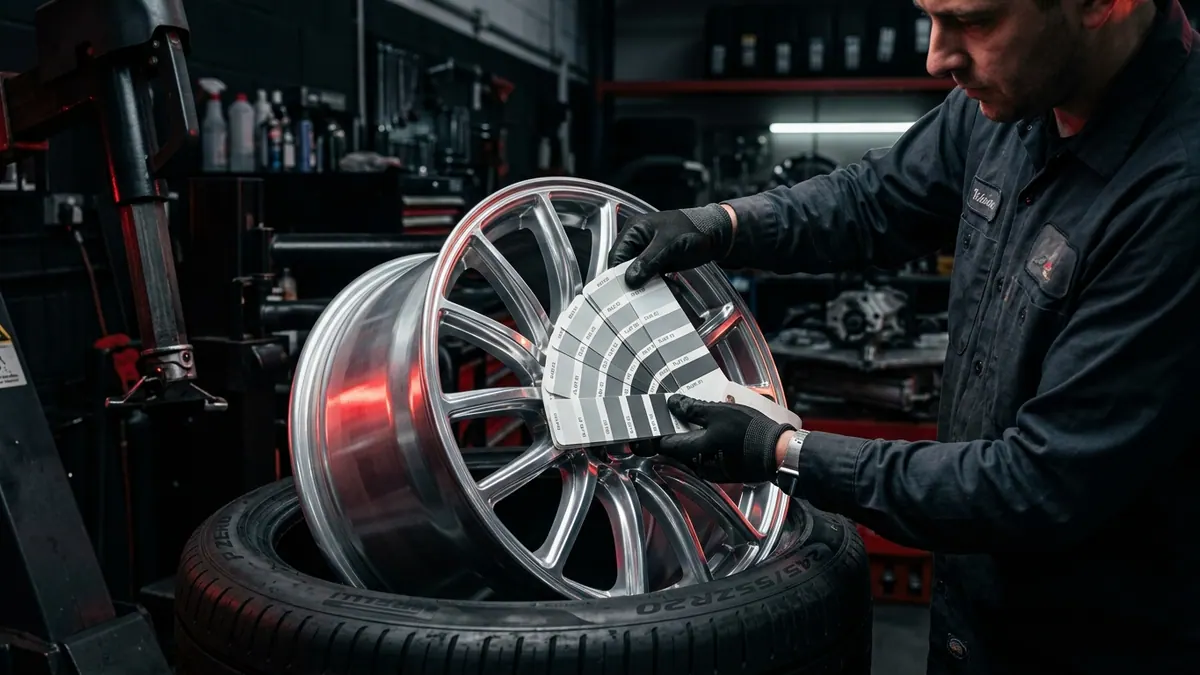
A professional refurbishment gives the wheel a proper foundation. Depending on the design and required look, this may involve powder coating, wet painting, diamond cutting or a custom colour finish. The wheel is prepared, repaired and finished correctly before protective layers are added.
Powder coating is a particularly durable option for many painted alloys because it creates an even, hard-wearing finish. It is well suited to daily drivers that face wet roads, grit and frequent cleaning. Diamond-cut wheels can look exceptional, but their exposed machined face and lacquer layer need more careful upkeep. Once the lacquer is compromised, moisture can creep beneath it and create the familiar white, cloudy corrosion patches.
The trade-off is simple: highly detailed finishes can demand more attention. If low-maintenance durability matters most, a full painted or powder-coated finish is often the sensible choice.
Apply a ceramic wheel coating
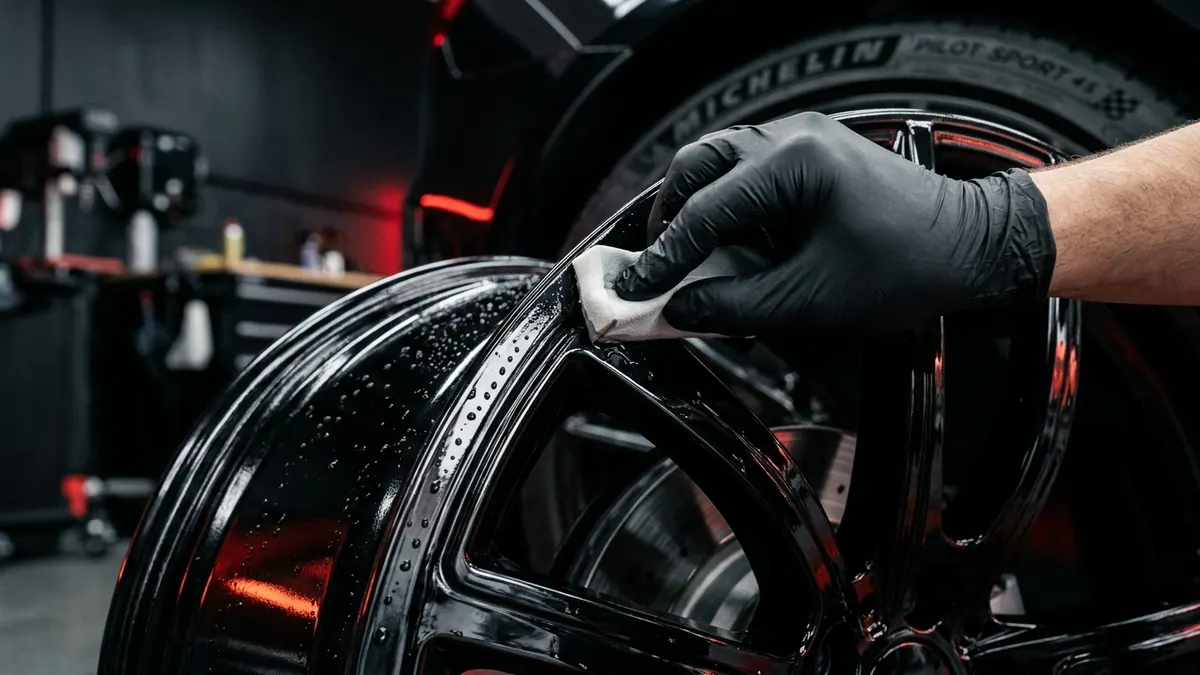
A dedicated ceramic coating is one of the strongest protection options for wheels in good condition. It creates a sacrificial barrier over the finish, helping to reduce the grip of brake dust, road grime, salt and water spotting. Wheels are easier to wash, and contamination is less likely to bond aggressively to the lacquer or paint.
This matters because brake dust is not just unsightly. It contains hot metallic particles that can embed into a wheel's surface, especially when left through repeated heat cycles. A quality coating will not make brake dust disappear, but it makes routine cleaning quicker and safer.
Ceramic protection is especially worthwhile after refurbishment, when the finish is at its best. Preparation is critical. The wheel needs to be fully clean, decontaminated and dry before coating, otherwise the result may be patchy and short-lived.
Do not treat ceramic coating as permanent armour. It can still be scratched by kerbs, damaged by harsh chemicals and worn down over time. It is a maintenance aid, not a substitute for careful driving or regular washing.
Use a wheel sealant if ceramic coating is not for you
A wheel sealant is a more affordable and less permanent option. It adds water repellency and makes dirt easier to remove, though it will not generally last as long as a professionally applied ceramic coating. For drivers who enjoy cleaning their own car and do not mind reapplying protection every few months, it can be a very good middle ground.
Sealants work best on wheels that are already in good shape. Apply them only after a thorough wash and dry, paying attention to the barrel and inner spokes where brake dust accumulates. A thin, even layer is better than overloading the product and leaving residue in tight areas.
Traditional wax can add a little gloss and short-term water beading, but it is usually less durable on wheels because of the heat generated during braking. A dedicated wheel sealant is the more practical choice.
Clean alloys little and often
The most overlooked protection method is regular cleaning. Leaving brake dust, salt and road film on an alloy for weeks gives contaminants time to bond to the finish. This is particularly damaging in winter, when road salt sits in spoke corners and around the rim edge.
Wash wheels when they are cool to the touch. Spraying cold cleaner onto hot wheels can stain the finish, and cleaning while brakes are hot is never ideal. Use a pH-neutral wheel cleaner where possible, a soft wheel brush for the barrel and spokes, and a separate wash mitt or brush from the one used on bodywork.
Avoid strong acidic cleaners unless you know they are suitable for your specific finish and follow the instructions precisely. Aggressive products can dull lacquer, weaken protective coatings and cause problems around damaged areas. The same goes for stiff brushes, scouring pads and harsh household cleaners. They may remove dirt quickly, but they can leave fine scratches that spoil the finish over time.
Rinse thoroughly and dry the wheels after washing. This helps prevent water spotting and stops dirty water sitting around wheel bolt holes, valve areas and sharp spoke edges.
Give the inner barrel some attention
The visible face gets most of the care, but the inner barrel often suffers the worst contamination. Brake dust builds up behind the spokes, where it is harder to see and easy to ignore. During a proper wash, turn the steering wheel to improve access to the front wheels and use a suitable soft brush to reach as much of the barrel as possible.
You do not need to spend hours detailing every wash. The important point is consistency. A light clean every couple of weeks is far easier on the finish than a heavy chemical attack after months of neglect.
Prevent kerb damage before it happens
Coatings cannot protect an alloy from a pavement edge. Kerbing remains one of the main reasons wheels need cosmetic repair, especially on cars with low-profile tyres and wide rims.
When parking, give yourself more space than you think you need. Use mirrors, parking sensors and cameras as aids, but do not rely on them blindly. Take particular care at drive-throughs, multi-storey car parks and tight city-centre bays, where raised kerbs can catch a rim before the tyre makes contact.
Rim protectors and tyre sidewalls with built-in rim guards can offer some help, but neither is foolproof. They may reduce light scuffs, yet a firm impact can still damage the wheel. Their value depends on the tyre profile, the design of the rim and how the car is driven.
If you do catch a kerb, inspect the wheel rather than assuming the mark is purely cosmetic. A sharp impact can cause a chip in the lacquer, a bent rim or, in more serious cases, a crack. Cosmetic damage affects appearance, but structural damage can affect tyre sealing, vibration and safety.
Protect wheels through the Scottish winter
Winter is hard on alloys. Grit, salt, standing water and mud are pushed into every corner of the wheel, and the damage is often most visible when spring arrives. Before the colder months, clean the wheels thoroughly and renew the ceramic coating or sealant if needed.
During winter, rinse wheels more frequently, even if the rest of the car does not need a full wash. Removing salt is the priority. This is particularly useful after long motorway runs, rural routes and periods when the roads have been heavily treated.
If you use a separate winter wheel set, store the unused wheels clean and dry. Keep them away from direct heat and avoid stacking bare alloy faces against each other. Wheel bags or protective covers help prevent storage scuffs, while correct tyre pressure before storage reduces unnecessary strain.
Know when protection is no longer enough
There is a clear line between dirt that needs cleaning and damage that needs specialist attention. Bubbling lacquer, peeling finish, corrosion around the rim edge, deep scratches and repeated loss of tyre pressure should not be covered up with sealant.
Likewise, vibrations through the steering wheel, a wheel that has hit a serious pothole, or any suspected crack or buckle should be checked promptly. These are not detailing issues. They need a proper visual inspection and, where required, precision straightening, welding or repair by trained technicians.
At Wheel Fusion, the focus is not just on making an alloy look better. A correct repair and refurbishment protects the wheel's appearance while addressing the condition that affects how it performs on the road.