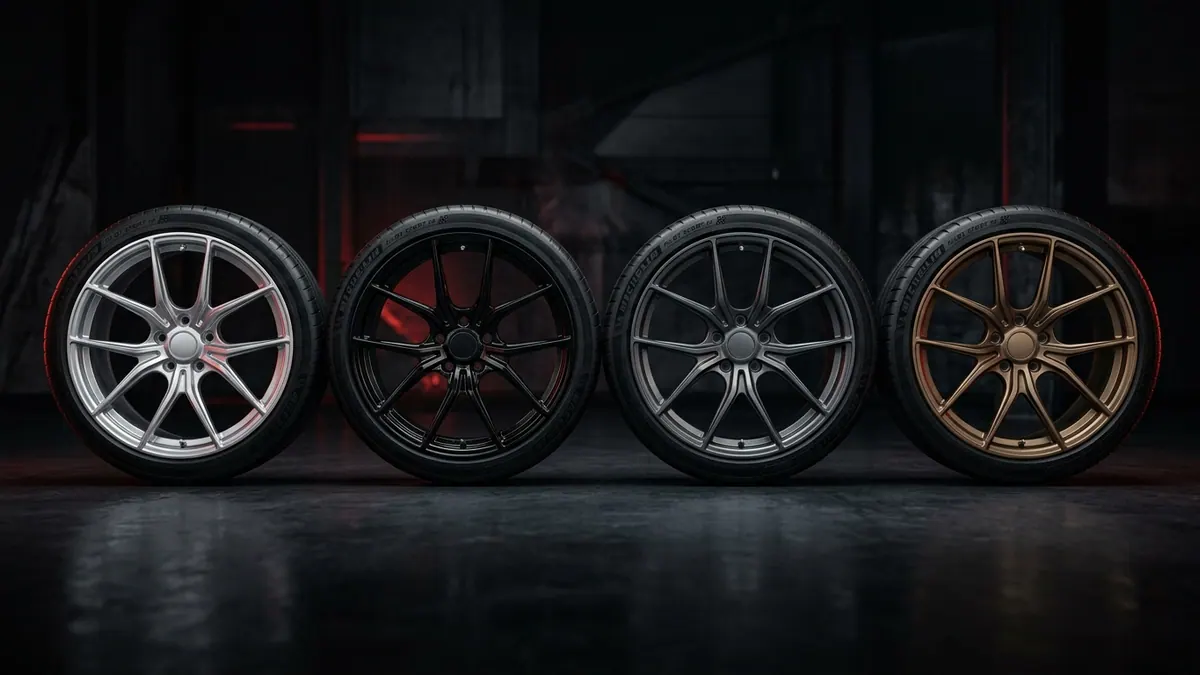
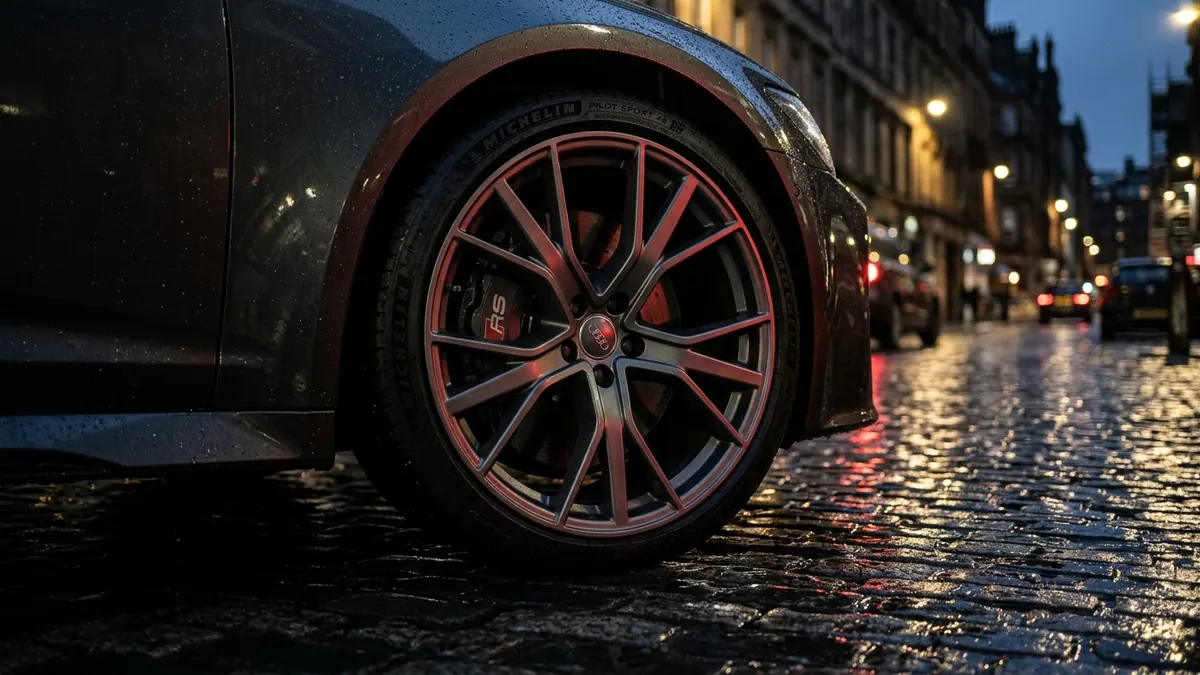
A fresh wheel finish can change the whole look of a car before you have even left the driveway. Current alloy wheel colour trends are moving beyond the old default of bright silver or full gloss black, giving Glasgow drivers more choice between factory-correct refinement and a properly personal finish.
The right colour is not simply about following fashion. It needs to suit the vehicle, the wheel design and how the car is used day to day. A finish that looks spot-on on a weekend performance car may be hard work on a family SUV tackling wet roads, kerbs and winter grime. The best result is one that looks right now and still feels like a good decision six months down the line.
The colours Glasgow drivers are choosing
Gloss black remains a popular choice, particularly on white, grey, silver and red cars. It creates a sharp contrast and can make a standard wheel look more purposeful. On modern hatchbacks, saloons and SUVs, black wheels often give the car a cleaner, more aggressive stance without changing any other part of the exterior.
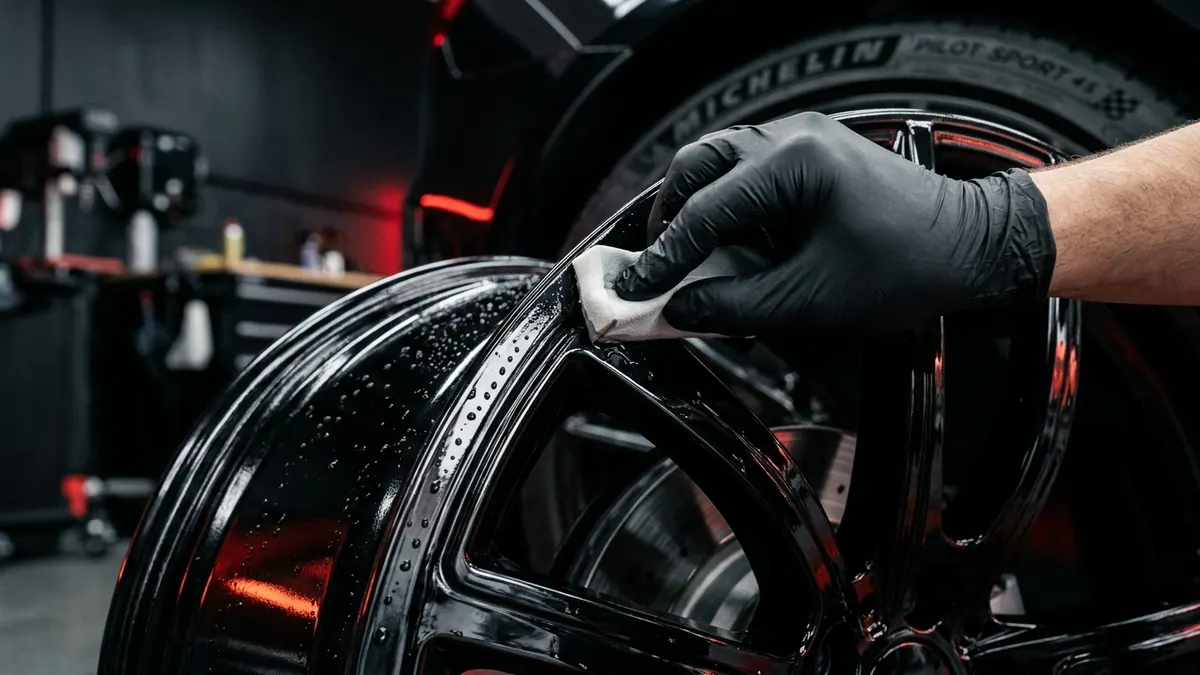
There is a trade-off, though. High-gloss black shows brake dust, road salt and light scratches more readily than almost any other finish. It can also hide the detail in intricate multi-spoke wheels, especially in poor weather or at night. For drivers who want the same darker appearance with slightly less upkeep, satin black has become a strong alternative. It has a softer sheen, disguises minor marks better and brings out the shape of the spokes more clearly.
Gunmetal grey is another finish with serious staying power. It gives darker wheels depth without the heavy, featureless look that black can sometimes create. On premium German cars, sporty estates and performance models, gunmetal often looks close enough to an OEM option to feel considered rather than overdone. It also works well with silver, black, blue and grey bodywork.
Anthracite sits in a similar family but usually carries a slightly lighter, metallic appearance. It is one of the safest choices for drivers who want an upgrade from standard silver while protecting the car's resale appeal. It adds character, hides everyday dirt reasonably well and suits a wide range of wheel designs.
Alloy wheel colour trends are becoming more refined
The biggest change is not one single colour. It is a shift towards finishes with more depth and a more factory-quality appearance. Drivers are increasingly choosing shades that complement the paintwork, brake calipers and trim rather than selecting the boldest option available.
Bronze is a clear example. Once mainly associated with rally-inspired and track-focused cars, bronze now appears on everything from hot hatches to premium SUVs. A dark bronze or antique bronze finish can look excellent against white, dark green, black and certain shades of blue. It gives a car warmth and individuality, particularly when paired with red, yellow or black brake calipers.
That said, bronze is not universal. A highly polished bronze on a conservative executive car can look out of place, while a very dark version may simply read as brown or black in low light. The wheel design matters as much as the shade. Open, motorsport-style spokes tend to carry bronze well; a dense, highly styled factory wheel may suit anthracite or a darker silver better.
Light silver and bright metallic finishes are also making a return. For years, black wheels dominated customisation, but many owners are now rediscovering the clean, timeless look of a properly refurbished silver alloy. On older prestige cars and vehicles with chrome or polished trim, a fresh silver powder-coated finish can make the car look newer without making it look modified.
Diamond-cut faces still have their place
Diamond cutting remains a favourite where the wheel was originally supplied with a machined face and painted inner sections. The contrast between the bright cut surface and darker painted areas gives a premium, crisp appearance that is hard to replicate with a single-colour finish.
It is worth understanding the maintenance side before choosing it. A diamond-cut surface is protected by lacquer, but once that coating is damaged by kerbs, stone chips or corrosion, moisture can creep underneath. The familiar white, milky corrosion around the edge of a spoke is often the result. Scottish weather, road salt and frequent washing can all speed up the process.
For some drivers, returning the wheel to its original diamond-cut specification is absolutely the right call, particularly on a newer car or one being prepared for sale. Others may prefer a full powder-coated finish in silver, grey or black for a more durable, easier-to-maintain result. There is no one-size-fits-all answer. It depends on the wheel, the budget and whether original appearance or long-term practicality is the priority.
Finish matters as much as colour
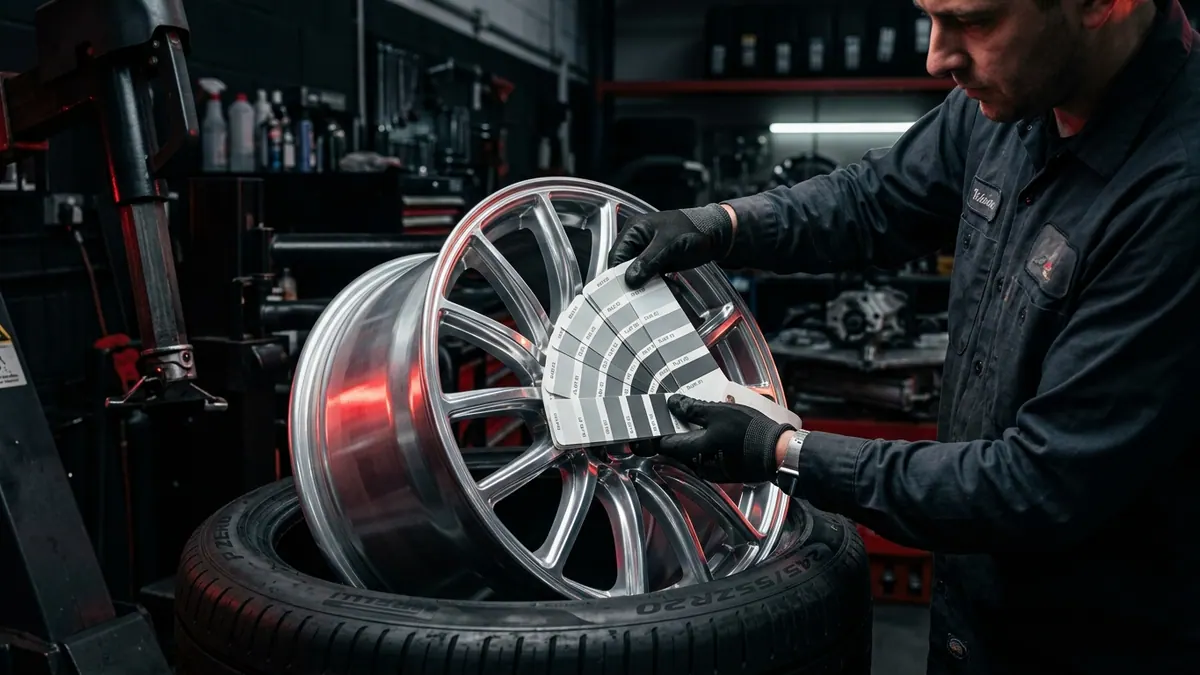
A colour can look completely different depending on whether it is gloss, satin, matt or metallic. This is where a proper visual inspection and sample discussion make a real difference.
Gloss finishes reflect light strongly and deliver maximum visual impact. They are ideal for a clean, show-ready appearance but demand regular cleaning if you want them looking their best. Satin finishes have a controlled sheen that feels modern and tends to be more forgiving in normal use. Matt finishes can look distinctive, but they need careful cleaning products and are less easy to blend if a future local repair is needed.
Metallic powder coatings add another layer of interest. Fine metallic flakes can lift a dark grey finish in sunlight, while a subtle sparkle in silver or bronze can make a wheel look more expensive without becoming flashy. The key word is subtle. Heavy metallic effects can date quickly and may clash with the car's original paint and trim.
At Wheel Fusion, the decision starts with looking at the wheel properly, not simply picking a colour from a screen. The wheel condition, spoke layout, previous repairs and intended use all affect what will give the best long-term finish. Our colour matching service ensures the result looks right in daylight, not just under workshop lighting.
Matching the colour to your car
Body colour is the obvious starting point, but it should not be the only one. Look at the window trims, grille, mirrors, badges and brake calipers too. A car with black exterior detailing can carry satin black or gunmetal wheels naturally. A vehicle with bright trim may look more balanced with silver, anthracite or a diamond-cut face.
For white cars, black, anthracite, bronze and dark grey all offer a strong contrast. Grey and silver cars are flexible, although choosing a wheel shade close to the body colour can sometimes make the vehicle look flat. Dark blue and green paint often works particularly well with silver, gunmetal or bronze. Black cars can be more difficult: black wheels create a stealthy look, while silver or diamond-cut finishes add definition and stop the lower half of the car disappearing visually.
Brake caliper colour should be treated as an accent, not the main event. Red calipers work with black, grey, silver and bronze. Blue or yellow calipers can look excellent, but usually benefit from a neutral wheel colour that lets them stand out without competing for attention.
Practical choices for everyday driving
A wheel finish has to survive more than a sunny car meet. Glasgow roads bring rain, grit, potholes and winter salt, all of which test the coating and the underlying alloy. The best colour for an everyday car is often one that gives a smart appearance while being realistic about cleaning and repair.
Anthracite, gunmetal and satin black are sensible options because they hide brake dust and light dirt better than bright silver or gloss black. They also tend to be easier to live with between washes. If your wheels are already prone to kerbing because of tight parking or low-profile tyres, consider avoiding finishes where every small scrape will be highly visible.
Before any cosmetic finish is applied, structural condition comes first. A cracked or buckled alloy needs the right assessment and repair work before refurbishment. Colour can transform a wheel's appearance, but it cannot compensate for a wheel that is not safe or true.
Choosing a trend without chasing one
The strongest wheel colour choices are usually the ones that look intentional rather than fashionable for a single season. If you plan to keep the car, a custom bronze, deep graphite or colour-matched finish may be exactly right. If you are selling soon, an OEM-style silver, anthracite or diamond-cut refurbishment is generally the more widely appealing route.
Ask yourself how you want the car to feel when you walk back to it in a car park. Cleaner and newer? Lower and sportier? More individual, without looking forced? That answer will point you towards the right shade far more reliably than copying the latest photograph online.