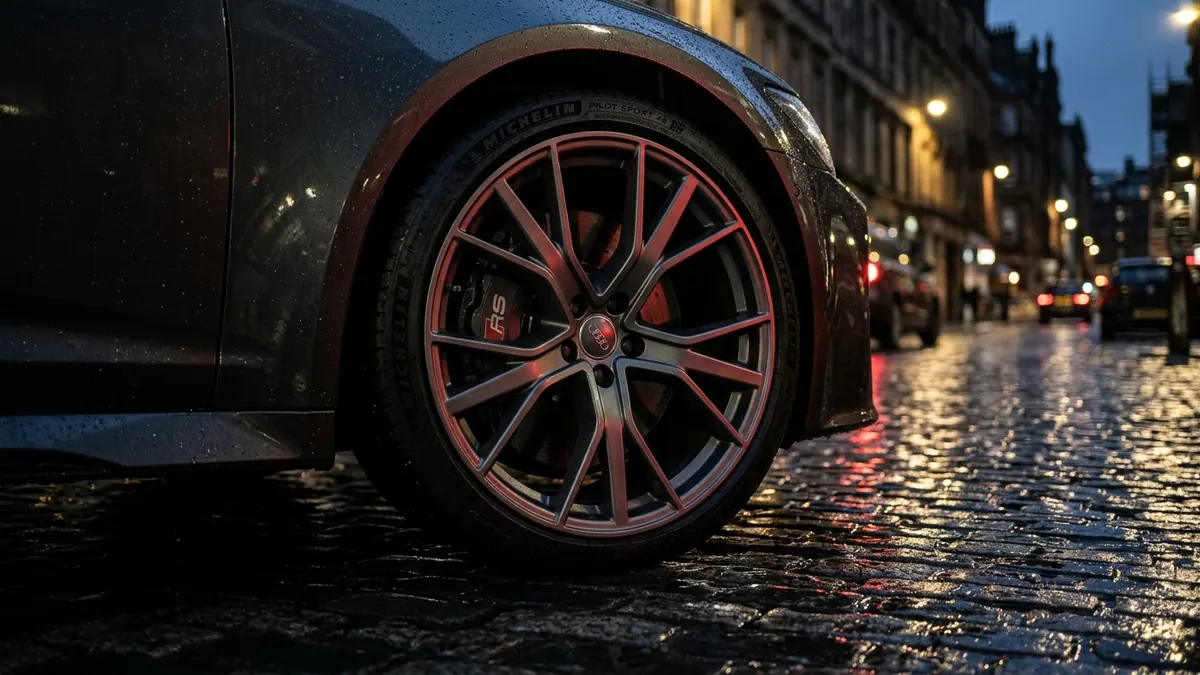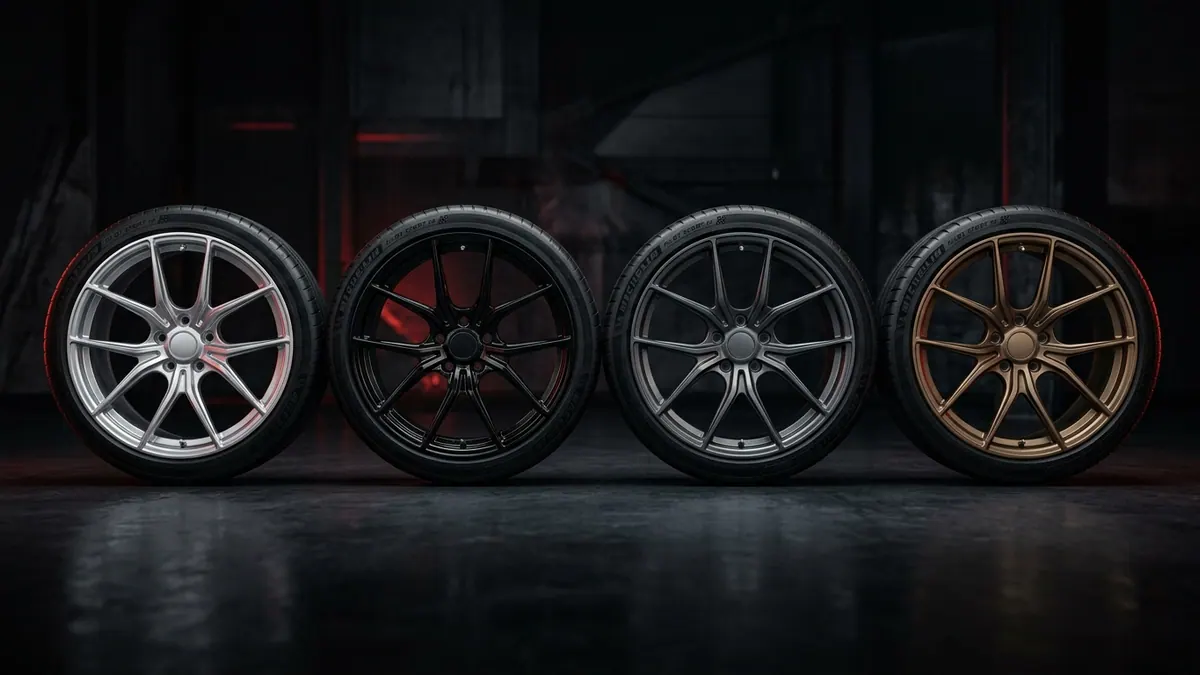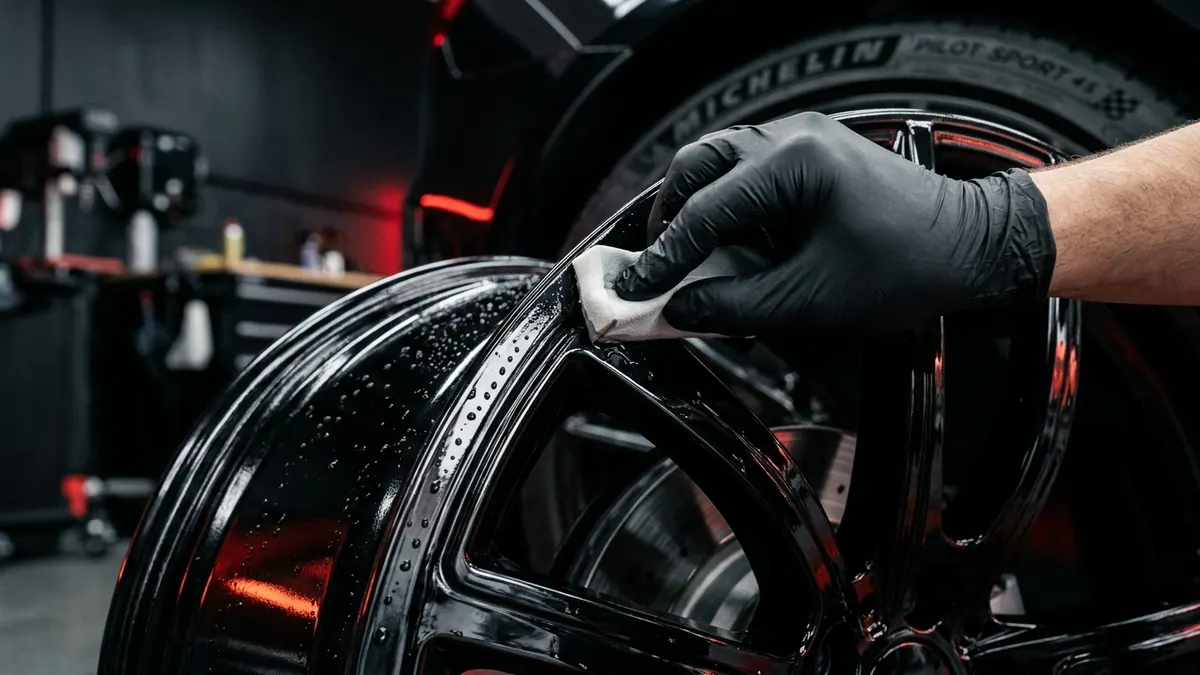
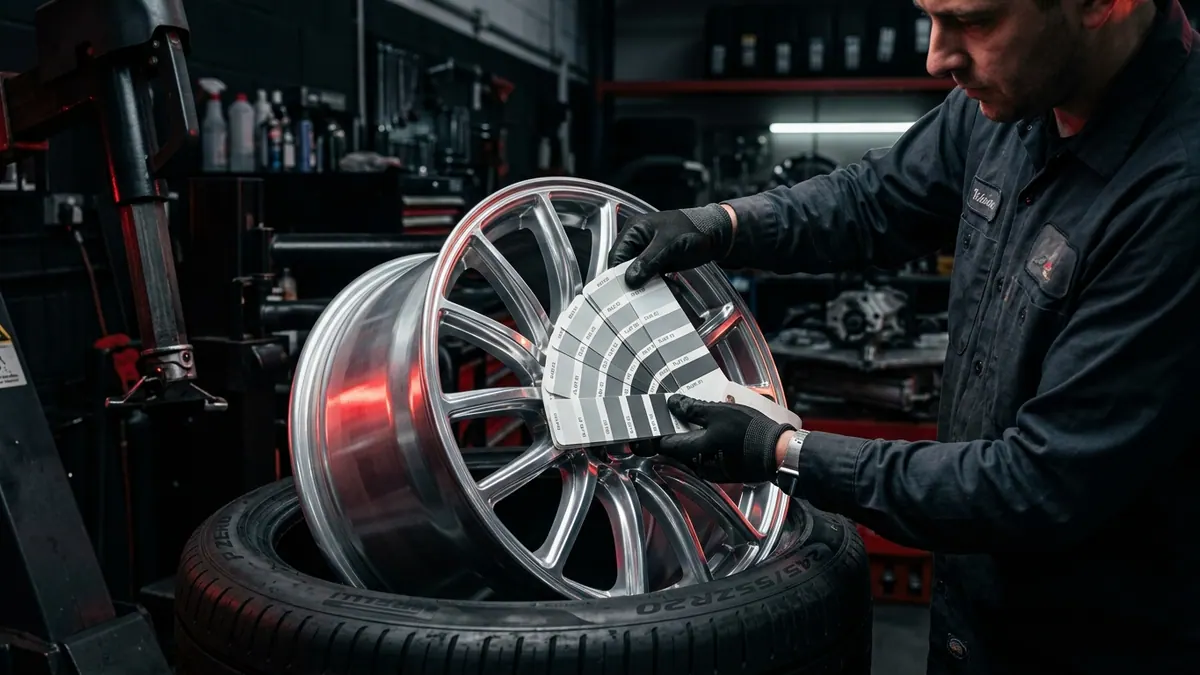
A kerbed alloy can look like a small problem until the repaired area catches the light differently from the rest of the wheel. That is where OEM wheel colour matching makes the difference. It is not simply a case of choosing a silver, grey or black paint that looks close enough from a distance. A proper factory-style repair has to account for the wheel's original shade, metallic content, gloss level and finish type, so the result looks right on the car — not just on a paint sample.
For drivers who care about presentation, resale value and keeping their vehicle true to its original specification, colour accuracy matters. For everyone else, it still matters when one freshly repaired wheel makes the others look tired or mismatched. The aim is straightforward: restore the damaged area or wheel so it belongs on the vehicle.
Why OEM wheel colour matching is more involved than it looks
Manufacturers use a wide range of alloy wheel finishes. Even wheels that appear to be plain silver can have different undertones, from a bright, clean silver to a warmer, darker or smoked shade. Some have a fine metallic flake, while others have a heavier sparkle. Satin blacks, gloss blacks, anthracites and graphite finishes all bring their own challenges too.
The wheel's age also affects the job. Road salt, brake dust, UV exposure and regular washing can alter the appearance of the original coating over time. A new paint formula may be correct on paper but look slightly different next to the weathered finish still on the wheel. This is why experienced assessment matters before any repair begins.
Diamond-cut alloys add another layer of complexity. Their bright machined face is created by precision cutting the metal, then protecting it with lacquer. The painted sections behind the cut face must match the original colour, while the machined surface needs to be cut evenly and sealed correctly. A poor repair can leave visible edges, uneven lacquer or a finish that loses its shine too quickly.
What a proper colour-match process involves
The best results begin with inspection, not with paint. The wheel needs to be checked for kerb damage, corrosion, previous repairs and signs of structural issues such as cracks or distortion. There is little value in creating a smart finish if the wheel is not safe to use.
Once the condition is clear, the original finish is identified. This may involve checking the manufacturer specification, comparing the wheel against known shades and assessing the actual appearance under workshop lighting. Colour can look different in bright sunlight, shade and artificial light, so a good match needs more than a quick glance.
For a full alloy wheel refurbishment, the old coating is removed and the alloy is prepared properly. Any corrosion is treated, damaged edges are repaired and the surface is smoothed before primer, colour and protective coatings are applied. This gives the new finish a consistent base and helps it last.
For localised cosmetic damage, the approach depends on the position and severity of the mark. A small kerb scuff may be repairable without stripping the full wheel, but only if the technician can blend the colour and clear coat without leaving a visible transition. On some finishes, particularly metallics and diamond-cut designs, a full refurbishment is the more honest recommendation. It costs more than a quick touch-up, but it avoids the patchy result that often sends drivers back to the workshop later.
Matching the finish, not just the paint colour
When people ask for an OEM finish, they are usually talking about the complete appearance of the wheel. Colour is a major part of that, but it is only one part.
Gloss level changes the look dramatically. A black wheel finished in high gloss reflects light sharply and has a deep, polished appearance. Satin black has a softer sheen. Matte black absorbs more light and can show marks differently. Applying the right black paint with the wrong lacquer can make the wheel look noticeably wrong before the car has left the workshop.
Metallic wheels require the flake to sit evenly in the coating. If it is applied inconsistently, one section can appear lighter or darker depending on the angle. This is particularly obvious on large spokes and flat wheel faces. Correct preparation, controlled application and suitable curing are what create an even finish.
Texture matters too. Some factory wheels have a smooth powder-coated appearance, while others use a slightly textured or specialist finish. Trying to recreate these with unsuitable products can leave the repaired wheel looking overly glossy, rough or flat. There is no single process that suits every alloy, which is why a specialist workshop should tailor the method to the wheel in front of them.
Powder coating, wet paint and diamond cutting
Powder coating is a strong option for many full wheel refurbishments. It provides durable coverage and works particularly well for solid colours such as blacks, greys and silvers. Because the wheel is stripped and coated as a whole, it is often the right choice where corrosion has developed under the original finish.
Wet paint systems can offer excellent colour control and are useful where a specific shade or effect needs to be recreated. The best option depends on the OEM finish, the condition of the wheel and whether the repair is localised or complete.
Diamond cutting should be chosen where it reflects the wheel's original design and where the alloy has enough material for safe machining. It can produce a crisp, premium result, but repeatedly cutting the same wheel over its life is not always advisable. If corrosion is severe or the wheel has already been cut several times, a painted finish may be the sensible long-term option. Honest advice is more valuable than promising a process that is not right for the wheel.
Why close-enough colours often disappoint
A mobile touch-up or DIY kit can be useful for hiding a minor mark temporarily. The trade-off is that generic paint rarely replicates the exact tone, metallic effect or lacquer finish of an original wheel. From a few metres away, it may look acceptable. Up close, or when the wheel is turning in daylight, the difference becomes clear.
The same applies to repainting only one wheel with a colour that is almost right. On a darker vehicle, a slightly blue-grey anthracite may stand out against three warmer grey wheels. On a premium car with bright silver alloys, an incorrect metallic can look dull beside the originals. These details can affect the overall appearance of the car more than owners expect.
A colour mismatch can also become an issue when selling or returning a leased vehicle. Buyers and inspection teams may not know the repair history, but they will notice a wheel that does not match. A well-executed refurbishment protects the car's presentation without drawing attention to the fact that damage was ever there.
When all four wheels should be refinished
Not every repair requires a full set refurbishment. If one wheel has suffered a fresh kerb strike and the others are in good condition, a carefully matched single-wheel repair is often all that is needed. The decision comes down to finish type, age and the condition of the remaining wheels.
Refinishing all four can make better sense if the wheels have widespread corrosion, faded lacquer, multiple old repairs or uneven discolouration. It also gives owners the chance to return to the factory shade or choose a new, coordinated colour. For example, changing a tired silver finish to gloss black or anthracite can transform the look of the car, but it is a custom upgrade rather than OEM matching.
The important point is to be clear about the goal. If preserving original specification is the priority, the work should focus on an accurate factory-style finish. If you want a different look, choose it deliberately and finish the full set consistently.
Protecting a newly matched wheel finish
A quality repair deserves sensible aftercare. Allow the coating to cure as advised, avoid harsh acidic wheel cleaners and wash away brake dust regularly. Use a pH-neutral wheel cleaner and a soft brush rather than aggressive products that can dull lacquer or damage protective coatings.
Glasgow roads can be hard on alloys, particularly through winter. Salt, potholes and kerbs all take their toll, so checking wheels regularly helps catch corrosion, chips and buckles before they become larger repairs. If vibration develops after a pothole impact, do not assume it is only a balancing issue. A bent or cracked wheel needs proper inspection.
At Wheel Fusion, the focus is on getting the finish right while making sure the wheel is sound underneath. A matched colour is only worthwhile when the preparation, repair and colour matching are done to the same standard.