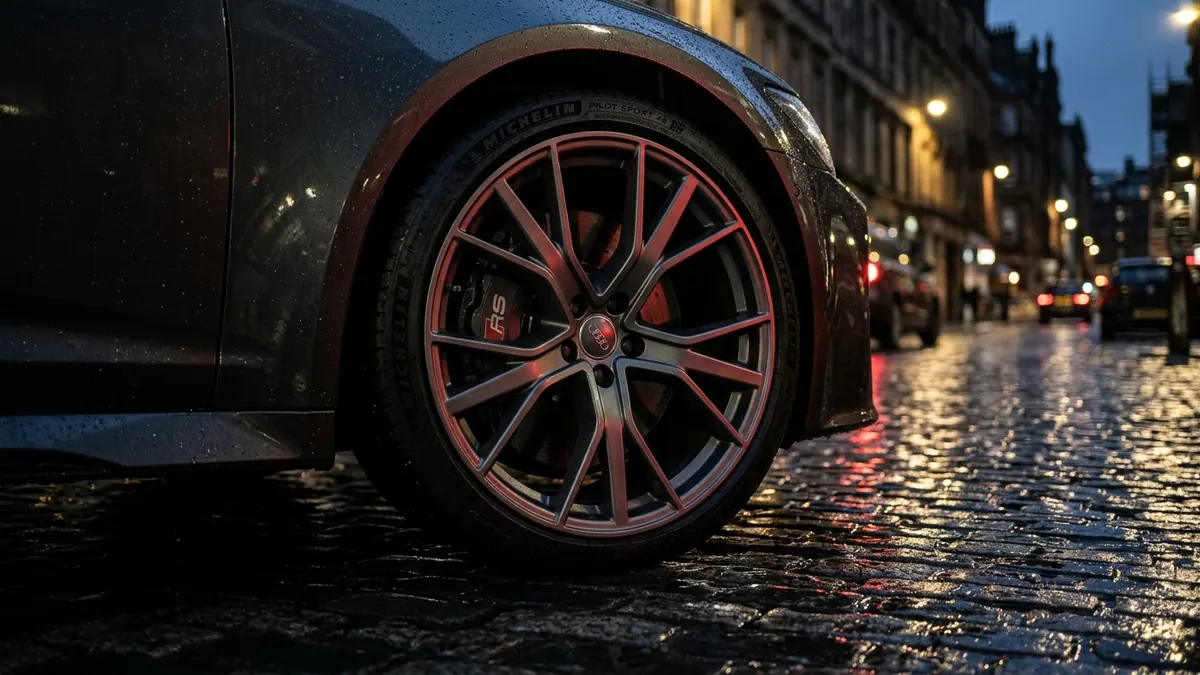
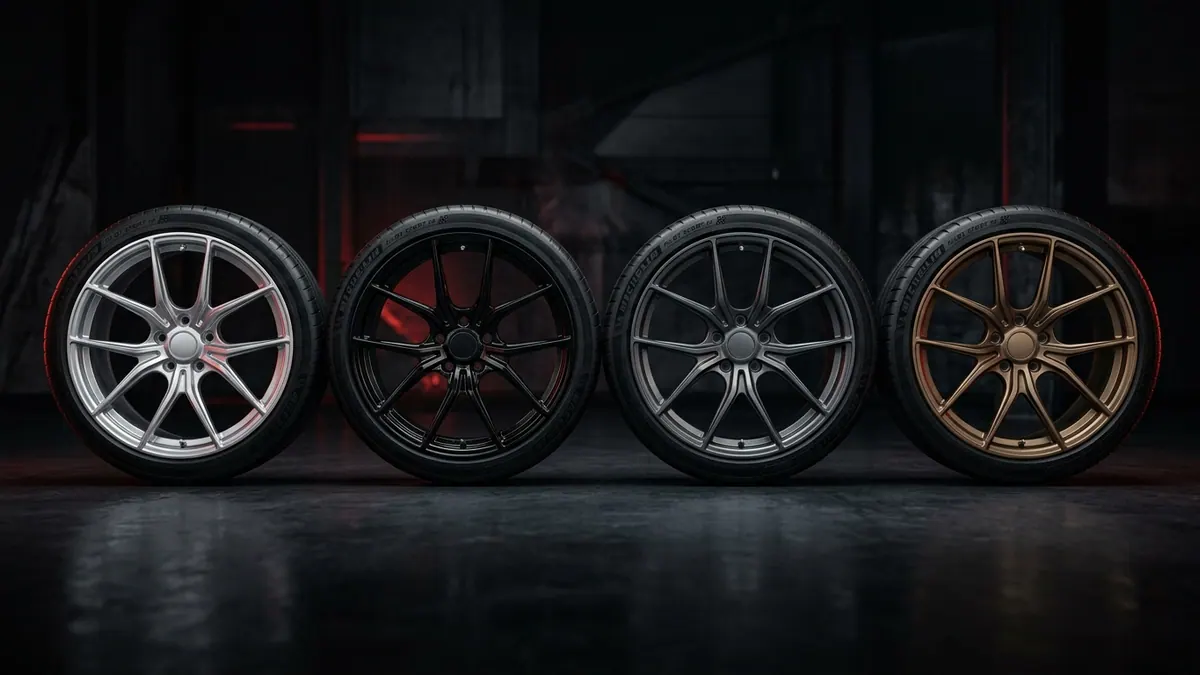
A wheel colour can make a clean car look sharper, lower and more expensive — or make a well-kept car look slightly wrong. The best colours for alloy wheels are not simply the most fashionable ones. They are the finishes that suit the shape and paintwork of your vehicle, match how you use it, and still look good after a wet Scottish winter.
For some drivers, that means a factory-style silver finish that keeps the car looking original. For others, it is gloss black, anthracite or bronze that gives the whole vehicle more presence. The right choice comes down to more than personal taste, so it pays to look at the practical side before committing to a refurbishment.
The best colours for alloy wheels, matched to your car
Silver and bright metallics: the safe choice for most cars
Silver remains one of the best all-round alloy wheel colours. It suits almost every body colour, works on everything from family hatchbacks to executive saloons, and tends to support a car's resale appeal. A clean silver wheel also shows off the design of the spokes rather than turning the wheel into a dark block beneath the arches.
Standard silver metallic is particularly effective on white, black, grey, blue and red cars. It is close to the original finish fitted to many vehicles, which is useful if you want a smart refresh without changing the car's character. It also hides light scratches and road dust better than polished or gloss-black finishes, although brake dust will still build up around detailed spokes.
There are several shades to consider. A bright silver gives a crisp OEM look, while a darker shadow silver can add definition without appearing modified. If your car has chrome trim or a traditional styling line, brighter silver is usually the more natural fit.
Anthracite and gunmetal: subtle, modern and practical
Anthracite and gunmetal are often the strongest choice for drivers who want a more purposeful look without going fully black. These deep grey finishes look particularly good against white, silver, blue and lighter grey paintwork. They bring out the wheel design, but still give enough contrast for the alloys to stand apart from the tyre.
They are also practical. Dark road grime and brake dust are less obvious than they are on silver, especially through the winter months. That does not mean they need less cleaning, but they tend to look presentable for longer between washes.
On a dark car, choose the shade carefully. A very dark anthracite wheel on black paint can lose its shape in low light. A metallic gunmetal or medium anthracite usually gives a better result because it catches the light across the spokes.
Gloss black: high impact, higher maintenance
Gloss black alloy wheels can transform the appearance of a car. They work well with black window trims, privacy glass and modern body styling, and are a popular option for performance models and SUVs. On white, red, yellow or bright blue paintwork, the contrast can be particularly striking.
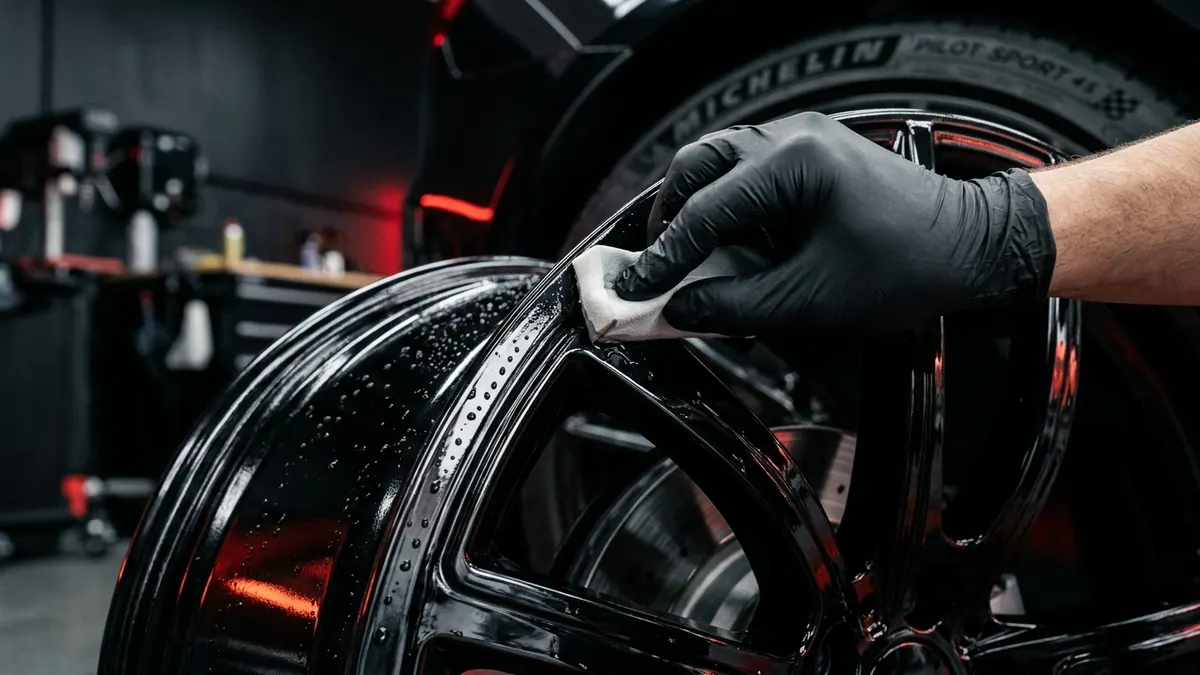
The trade-off is upkeep. Gloss black highlights scratches, salt marks, water spotting and kerb damage more readily than many people expect. It can also hide the wheel's spoke pattern, particularly on smaller alloys or wheels with a busy design. A careful professional finish matters here, as uneven preparation or poor lacquer quality is much more noticeable on a dark gloss surface.
Satin black is worth considering if you like the look but want a more restrained finish. It has a smoother, less reflective appearance and can disguise light marks better than gloss. Matte black has a similar appeal, although it needs the correct cleaning products and can be harder to touch up invisibly.
Bronze and gold: distinctive without being overdone
Bronze wheels have moved well beyond track cars and classic Japanese performance models. A muted bronze can look excellent on white, dark green, blue, grey and black vehicles, giving the car warmth that silver and grey cannot provide. It works especially well when the wheel design is open enough to show the colour clearly.
The key is choosing a shade that suits the car. Dark bronze is subtle and premium, while lighter gold-toned bronze is bolder and more motorsport-inspired. On a standard road car, a satin or metallic bronze generally looks more considered than an overly bright finish.
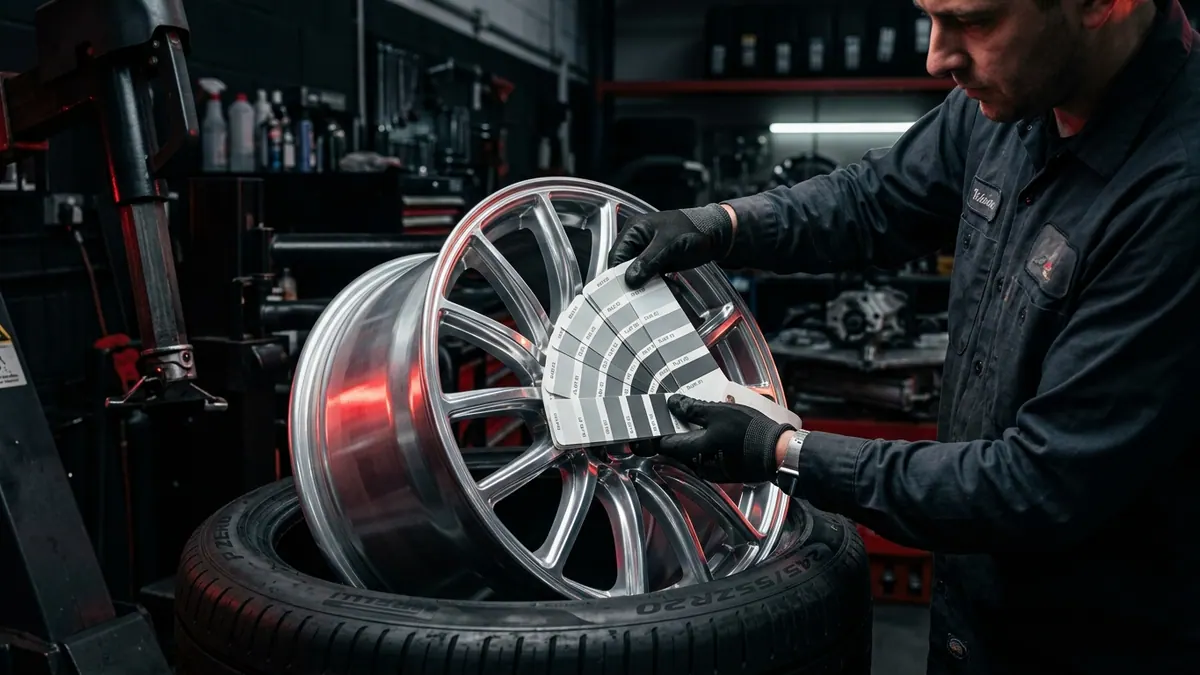
Bronze is not for every vehicle. It can clash with certain paint colours, particularly warm beige or some reds, and may not suit an owner who wants a factory-original appearance. If you are unsure, ask to see a physical colour sample beside the car rather than judging from a photo on a phone.
White and bright custom colours: best used with confidence
White alloys offer a proper rally or motorsport feel and look brilliant on the right car. They suit classic hot hatches, selected performance models and vehicles with a clear competition-inspired style. They are also one of the least forgiving finishes for daily use. Brake dust, tar, winter grime and kerb marks show quickly, so regular cleaning is part of the deal.
Bright custom colours — from red to blue or even fluorescent shades — can make a car genuinely individual. They are most successful when they relate to another detail on the vehicle, such as brake calipers, badges or a subtle exterior accent. A colour that has no connection to the rest of the car can look temporary rather than tailored.
For a daily driver, custom colours are a personal choice rather than a universal recommendation. They may also narrow the appeal when it comes time to sell. That is not a reason to avoid them if you love the look, but it is a sensible trade-off to recognise.
Choose the finish as well as the colour
Colour is only half the decision. The finish changes how the shade appears in sunlight, rain and under street lighting. Gloss reflects more light and gives a freshly detailed look, but shows imperfections. Satin is a strong middle ground, offering a smooth modern appearance with less glare and easier day-to-day tolerance. Matte finishes look purposeful but require more careful cleaning.
Diamond-cut wheels deserve separate consideration. Their machined face and painted inner sections create a bright, premium look that suits many modern cars. However, the lacquered cut surface can be more vulnerable once damaged or corroded, particularly where moisture gets beneath the coating. If you regularly drive through salted roads, a full powder-coated finish can be the more durable choice for some wheels.
A proper refurbishment process matters whatever colour you choose. The wheel needs to be stripped, prepared and coated correctly for the finish to last. Painting over corrosion, old lacquer failure or kerb damage may look acceptable at first, but it will not provide the durable result most owners want.
Match your wheel colour to how you drive
A car that is washed every weekend can carry gloss black, white or a bright custom colour well. A commuter covering motorway miles through Glasgow weather may be better served by anthracite, gunmetal or silver. Darker finishes disguise grime, while silver offers the simplest route to an OEM appearance and straightforward resale.
Also consider the size of the wheel. Dark finishes can make smaller alloys look smaller still, whereas silver or diamond-cut faces can give them more visual presence. On large wheels, black and anthracite tend to look more balanced because there is enough surface area for the design to remain visible.
Brake caliper colour plays a part too. Red calipers work naturally behind black, silver, anthracite and many bronze wheels. Custom-painted calipers in blue, yellow or other finishes can look equally effective, but the combination should be deliberate. The goal is a finish that looks designed for the car, not added at random.
Check the wheel before choosing a new colour
A fresh colour will not correct a wheel that is cracked, buckled or structurally damaged. Before refurbishment, any wheel with a vibration, air leak, visible crack or impact damage should be properly inspected. Cosmetic work should never take priority over safety.
At Wheel Fusion, colour changes and refinishing can be considered alongside wheel straightening, welding or crack repair where required. A visual inspection helps separate a simple kerb-damage repair from a wheel that needs more involved corrective work. It also gives you a clearer idea of what can be achieved, without hidden surprises later.