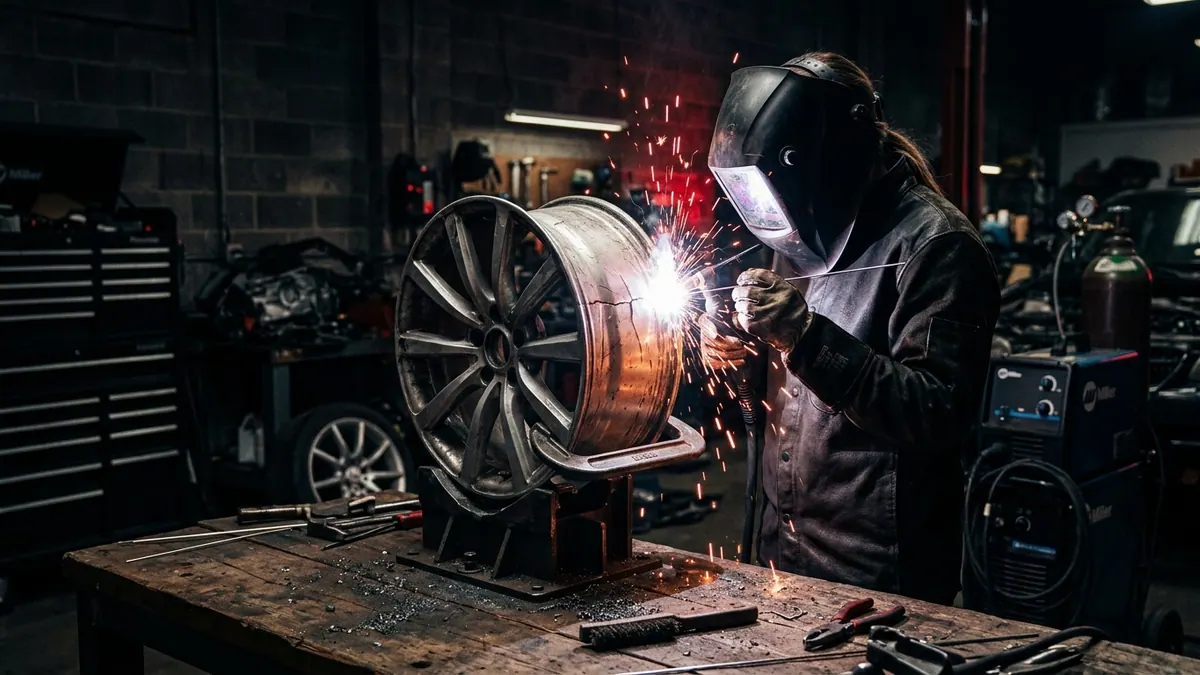
A small vibration through the steering wheel or a tyre that keeps losing pressure can be easy to dismiss. But the top signs your wheel needs welding are rarely problems that improve with time. A cracked alloy can allow air to escape, upset the balance of the wheel and, in serious cases, compromise the structural integrity of the rim.
For drivers in Glasgow, potholes, raised ironwork and kerb impacts can all take their toll on alloy wheels. The right repair depends on the crack's location, length and cause. Welding can be a safe, effective solution for a repairable alloy wheel, but only after a proper inspection by a specialist.
When does an alloy wheel need welding?
Alloy wheel welding is used to repair certain cracks in an aluminium rim. It is not a cosmetic touch-up and should never be treated as a shortcut. A trained technician identifies the full extent of the damage, prepares the affected area and carries out a controlled weld before checking the wheel for leaks, distortion and balance issues.
Not every cracked wheel is suitable for welding. Damage around high-stress areas, severe distortion, multiple fractures or previous poor repairs may mean replacement is the safer choice. Honest advice matters here: the aim is to return a serviceable wheel to safe working condition, not to repair a wheel that should be taken out of use.
Top signs your wheel needs welding
Your tyre keeps losing pressure
A slow puncture is not always caused by a nail or screw in the tyre. If the tyre pressure drops repeatedly and the tyre itself appears sound, a crack in the wheel may be allowing air to escape. This is particularly common around the inner barrel of the alloy, where damage is not easily visible while the wheel is fitted to the car.
You may notice a tyre pressure monitoring warning, need to add air every few days, or find one corner of the vehicle consistently lower than the others. A tyre valve, bead seal or corroded rim can also cause pressure loss, so inspection is essential before assuming welding is required.
You can see a crack in the rim
A visible crack is the clearest warning sign. Look closely at the inside and outside edges of the wheel, especially after hitting a pothole or kerb. Fine hairline cracks can appear near the rim lip, while more obvious splits may develop on the inner barrel.
Do not rely on a quick glance through the spokes. Many wheel cracks are hidden behind the tyre or on the rear face of the wheel. If you have seen any split, line or damaged area in the alloy, avoid long journeys and arrange a professional assessment as soon as possible.
The steering wheel vibrates after an impact
A sudden vibration through the steering wheel, seat or floor can point to a buckled wheel, tyre damage or lost wheel balance. It does not automatically mean the wheel needs welding, but a hard pothole impact can cause both a buckle and a crack.
Vibration that gets worse at motorway speeds deserves attention. Continuing to drive can place extra strain on tyres, suspension components and the damaged wheel itself. A specialist can check whether the rim is distorted, cracked, or affected by a combination of both issues.
You hear a new clicking, thumping or knocking noise
A cracked wheel does not always make a noise, but changes in how the car sounds should not be ignored. A thump that rises with road speed, unusual road noise or a knock after an impact may indicate a wheel or tyre problem.
There are many possible causes, from loose wheel nuts to worn suspension parts, so this is not a diagnosis on its own. Still, if the noise arrives alongside pressure loss, vibration or visible damage, have the wheel checked without delay.
There is damage on the inner rim after a pothole strike
The outer face of an alloy can look perfectly presentable while the inner barrel has taken the full force of a pothole. This is one reason drivers are sometimes surprised to discover a crack during a tyre change or inspection.
After a significant impact, inspect the tyre sidewall for bulges or cuts and pay attention to how the vehicle drives. Even if it feels normal, an inner-rim crack may only become apparent when air starts escaping. A free visual inspection can identify damage that is easy to miss at home.
The wheel has already been straightened but still leaks air
Wheel straightening corrects distortion. Welding repairs a crack. These are different processes, although a wheel can require both where an impact has buckled the rim and split the alloy.
If a wheel has been straightened but continues to lose pressure, the technician may need to inspect it more closely for a fine fracture. Equally, if a cracked wheel is welded but remains out of shape, it may need structural correction before it can run properly. The repair plan should match the actual condition of the wheel, not just the first visible symptom.
What a proper wheel welding repair involves
A safe repair begins with removing the wheel and tyre so the entire rim can be assessed. The technician checks the crack's position, examines the surrounding metal and looks for other damage, including flat spots, distortion and corrosion around the bead seat.
For a suitable repair, the damaged area is carefully prepared before the alloy is welded using the correct process and materials. The wheel is then inspected for air tightness and checked for trueness. Where needed, wheel straightening is carried out to correct any buckle caused by the original impact.
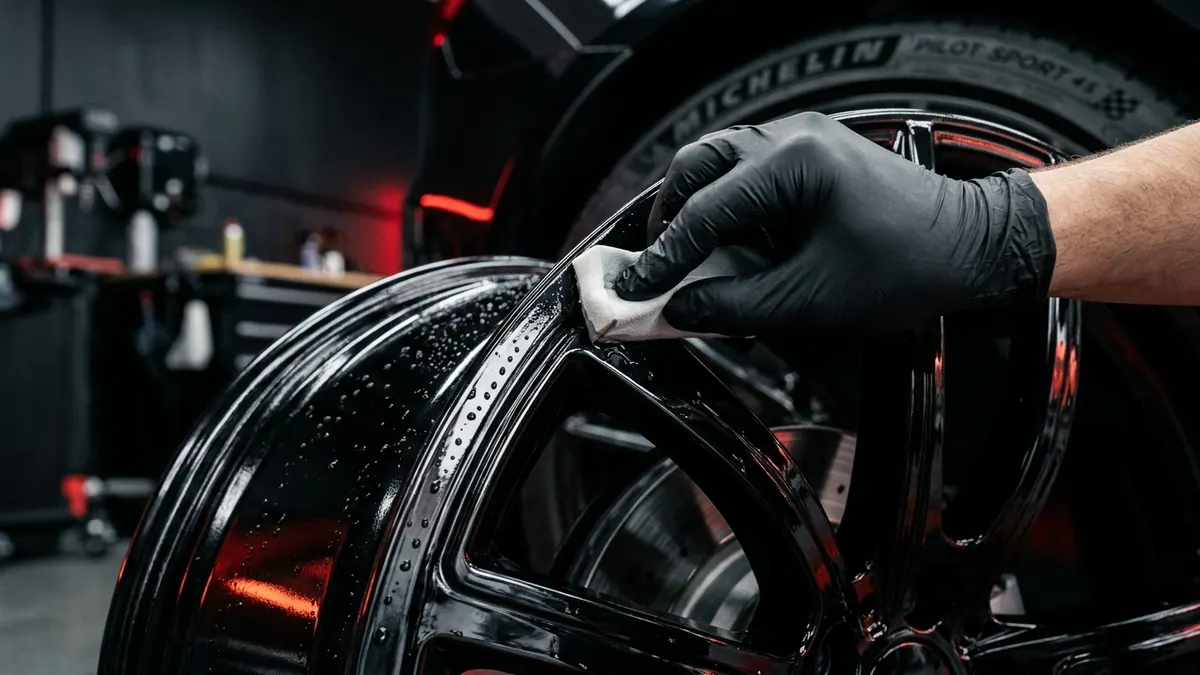
The finish matters too. A welded area may need refinishing to protect it and restore the appearance of the wheel. On a painted, powder-coated or diamond-cut alloy, the best finishing route depends on the wheel design and the extent of the repair. A good workshop will explain the options and price before work begins, with no hidden costs and no pressure.
Why specialist inspection makes the difference
Alloy wheel repair is a specialist job because appearance and structural condition need equal attention. A wheel can be freshly painted yet unsafe, or structurally sound but in need of refurbishment after a repair. The inspection should cover both.
At Wheel Fusion, certified technicians assess cracked, buckled and kerbed alloys using precision equipment, then recommend the repair that makes sense for the wheel and your vehicle. Sometimes that is welding, sometimes straightening, and sometimes the honest answer is that replacement is the better option.
If one wheel has suffered a pothole impact, check the others too. Catching a fine crack early may protect your tyre, your suspension and your next journey home.