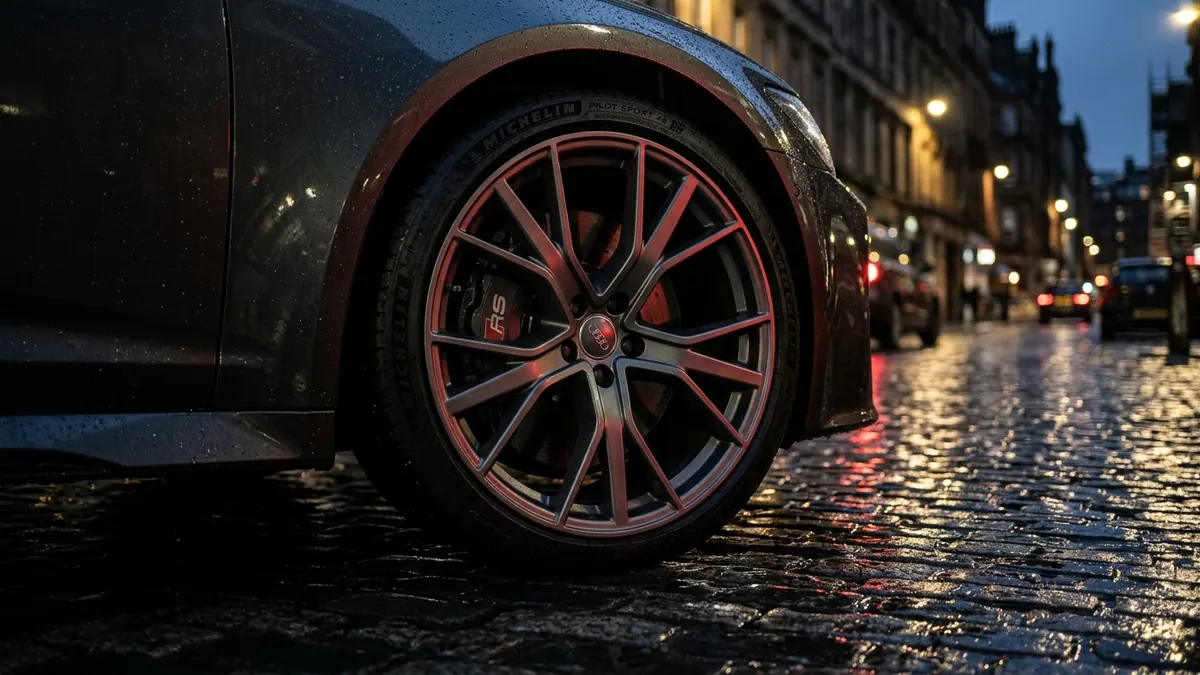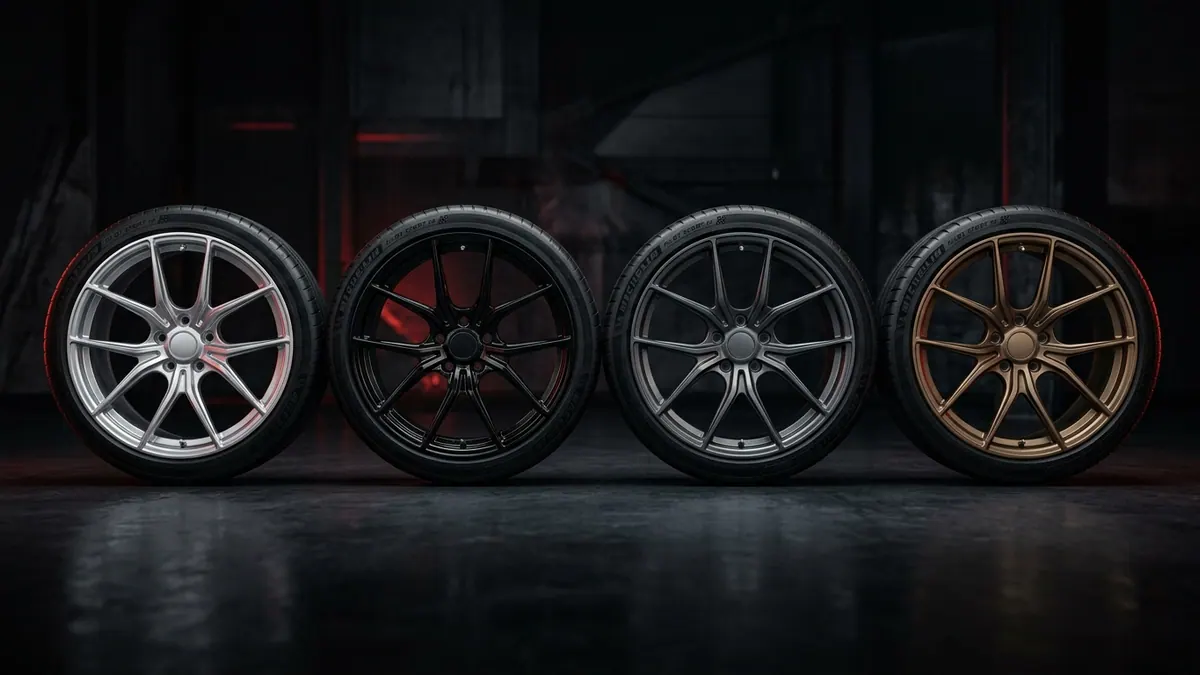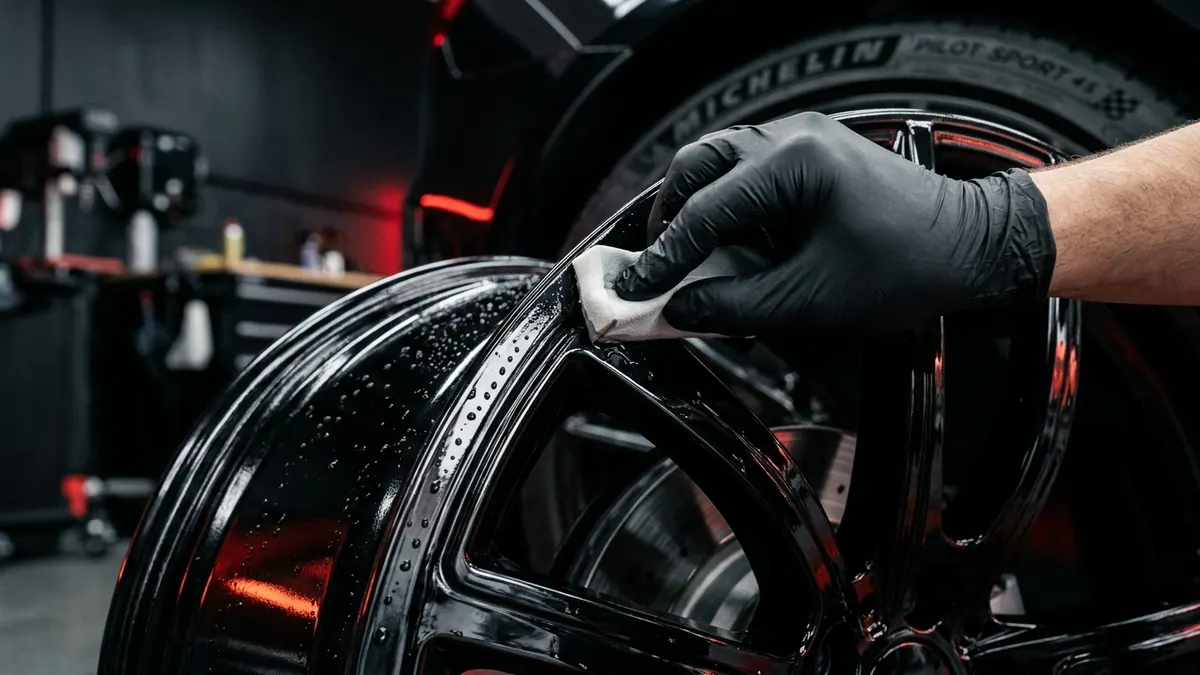
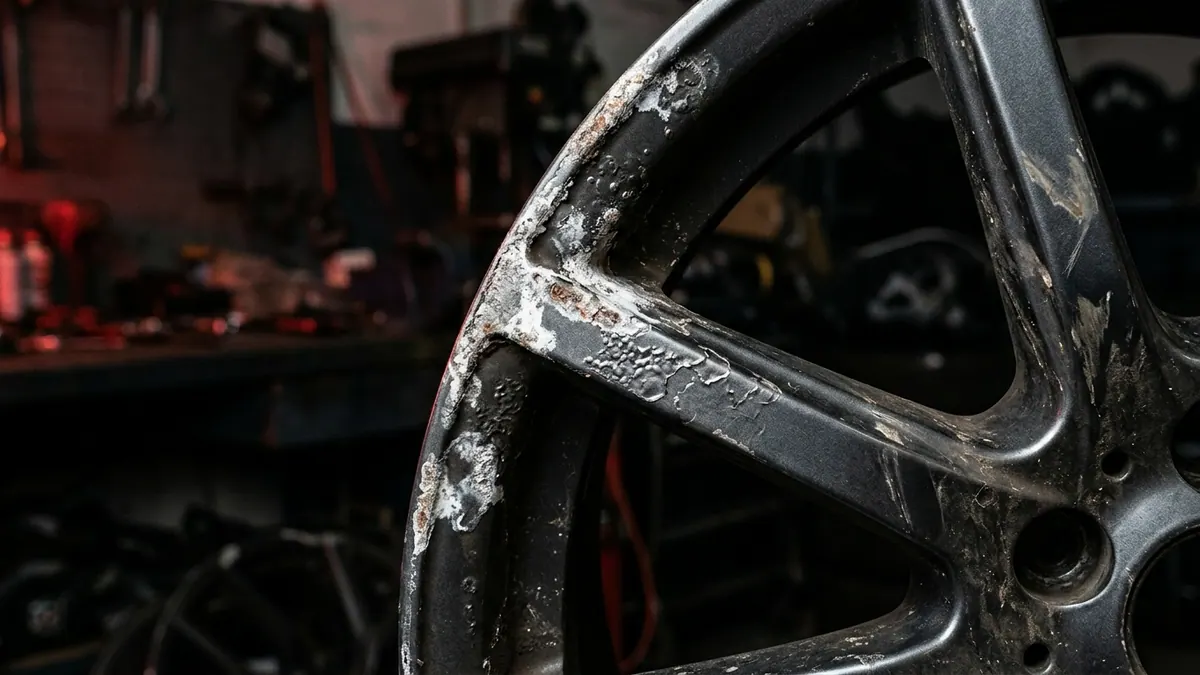
White, milky patches beneath the lacquer, bubbling around the rim edge or a rough, flaky finish are all familiar signs of alloy corrosion. Knowing how to repair alloy corrosion properly matters because a quick cosmetic cover-up may improve the look for a few weeks, while leaving moisture trapped underneath to spread further.
For light surface damage, a careful touch-up can be worthwhile. Where corrosion has lifted the paint, affected a diamond-cut face or spread around the bead area, a full refurbishment is normally the longer-lasting answer. The right repair depends on the wheel's condition, not simply how bad it looks from a distance.
What causes corrosion on alloy wheels?
Alloy wheels are not immune to corrosion. Aluminium alloy reacts differently from steel, but once the protective paint or lacquer coating is damaged, water, road salt and dirt can work underneath the finish. This is particularly common through Scottish winters, when wet roads and grit are hard on wheel surfaces.
Kerb damage is a common starting point. A small chip on the rim can break the seal of the lacquer, allowing moisture to creep beneath it. Stone chips, harsh wheel cleaners, neglected brake dust and previous poor-quality repairs can have the same effect. On diamond-cut wheels, the finely machined face has a thinner clear protective coating, so corrosion can become visible sooner if that coating fails.
Corrosion is also often found near the tyre bead, where the tyre seals against the wheel. If corrosion builds up in this area, it can contribute to a slow loss of tyre pressure. That is no longer only an appearance issue — it needs proper inspection and repair.
Check whether it is corrosion or structural damage
Before deciding how to repair alloy corrosion, clean the wheel thoroughly and inspect it in good light. Surface corrosion usually appears as bubbling lacquer, white or grey staining, pitting, peeling paint, or rough patches around a chip.
A crack, a bent rim, deep gouge or repeated tyre-pressure loss calls for a different approach. Do not sand over a suspected crack or assume paint is hiding the problem. Structural damage may require specialist wheel welding, straightening or, in some cases, wheel replacement. Cosmetic refurbishment cannot make an unsafe wheel safe.
If you are unsure, a visual inspection from a specialist is the sensible first step. It separates a repairable finish issue from damage that could affect how the wheel seals, balances or performs on the road.
When a DIY corrosion repair can work
A DIY repair can be suitable where the affected area is small, localised and clearly superficial. For example, a minor chip on a painted wheel that has just started to show roughness can often be stabilised before the problem spreads.
The goal is not to paint over corrosion. It is to remove all loose material, smooth the damaged area and rebuild the protective layers. Take your time here. Rushing the preparation is the main reason home touch-ups fail.
Prepare the wheel properly
Remove the wheel if possible. It gives you safer access and stops overspray reaching tyres, brake components or bodywork. Wash the wheel with a pH-neutral cleaner, rinse it well and allow it to dry completely. Brake dust and road film can hide the true extent of the damage.
Use a plastic scraper or fine abrasive paper to remove loose lacquer, paint and oxidised material. Work only as far as needed to reach sound, firmly bonded finish. If you can still see bubbling at the edge of the repair, the corrosion has not been fully removed.
Feather the surrounding paint with progressively finer abrasive paper so there is no hard step between old and repaired surfaces. Wipe away dust with a suitable panel wipe and avoid touching the prepared area with bare fingers.
Prime, paint and protect the repair
Bare alloy needs a primer designed for aluminium before colour is applied. Use thin, even coats rather than one heavy coat, allowing the recommended drying time between each layer. Once the colour coat has cured, apply a compatible clear lacquer to seal the repair from water and salt.
Colour matching is where DIY work can fall short. Silver wheels are rarely just silver — they may have metallic, satin, gloss or tinted finishes that are difficult to blend invisibly. A small repair on a standard painted wheel can be acceptable, but the result may still be noticeable close up. Our colour matching service ensures a precise, consistent result across all four wheels.
Allow the finish to cure fully before refitting the wheel or washing it. Avoid aggressive cleaners and kerb contact afterwards, as fresh paint remains more vulnerable until it has hardened.
Why diamond-cut corrosion needs specialist refurbishment
Diamond-cut alloys have a distinctive machined face with fine lines cut into the metal. When corrosion develops beneath the lacquer, sanding and touching up one patch rarely recreates that original finish. A painted silver repair may protect the area, but it will not match the machined appearance.
The professional process involves stripping the wheel, assessing its condition, removing the old coating and preparing the surface correctly. The wheel is then refinished, with the face precision-cut where suitable, before being protected with a new clear coating. There is a limit to how many times a wheel can be diamond cut because material is removed during machining. A responsible repairer checks this before proceeding.
In some cases, changing from a diamond-cut finish to a full powder-coated colour is the more durable and cost-effective choice. It is a trade-off: you lose the factory machined look, but gain a tougher, more easily maintained finish with no exposed cut face beneath lacquer.
When professional alloy refurbishment is the better value
A home repair is often cheaper at the start. It can make sense for a small blemish on an older daily driver, especially if you are comfortable with preparation and realistic about the finish. But widespread bubbling, corrosion around the rim, multiple damaged areas or a premium wheel finish usually deserves a professional repair.
A full alloy wheel refurbishment deals with corrosion beneath the visible surface. The tyre is removed, the wheel can be checked for cracks or distortion, and the old finish is stripped back rather than blended over. Proper preparation is followed by a durable finishing system, whether that is powder coating, painted finish or diamond cutting where appropriate.
This approach also produces a consistent result across all four wheels. That matters if one wheel has started to corrode, as the others may not be far behind. Matching colour, gloss level and finish is difficult when repairs are carried out individually with off-the-shelf aerosols.
At Wheel Fusion, the focus is on both the appearance and condition of the wheel. If corrosion is hiding a buckle, crack or sealing issue, that should be identified before cosmetic work begins. Fast repairs are useful, but not at the expense of a proper inspection.
Prevent corrosion from returning
No wheel finish is completely maintenance-free, particularly on vehicles used every day through winter. Regular washing removes salt, brake dust and grime before they can sit against the lacquer. Clean the inside of the wheel as well as the visible face, as corrosion often starts where dirt is left undisturbed.
Use a pH-neutral wheel cleaner and soft brush rather than strong acidic products or harsh abrasive pads. After washing, dry the wheels where practical and apply a quality wheel sealant or protective coating suited to the finish. It will not repair existing damage, but it makes contamination easier to remove and supports the lacquer.
A repair that lasts starts below the paint
Alloy corrosion can look like a minor cosmetic annoyance, but the best results come from treating the cause rather than hiding the symptom. If the damage is light, careful preparation and a properly sealed touch-up can hold it back. If the finish is lifting, the wheel is losing pressure, or the corrosion has spread, have it assessed before another winter gets the chance to make it worse.