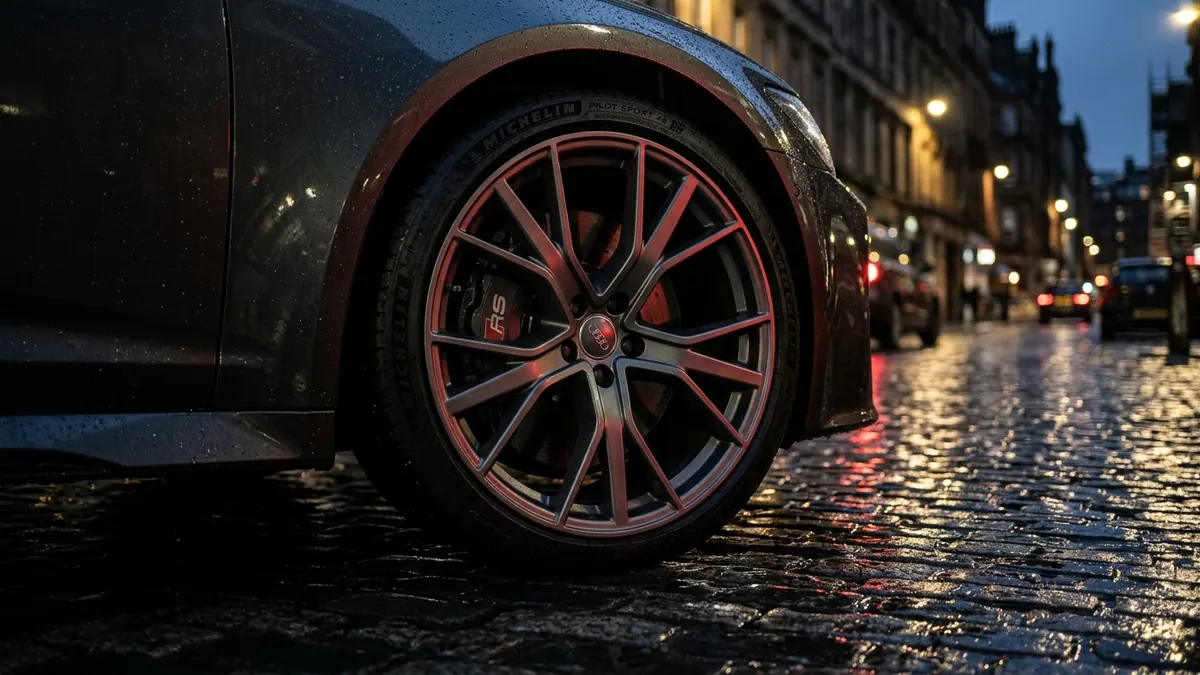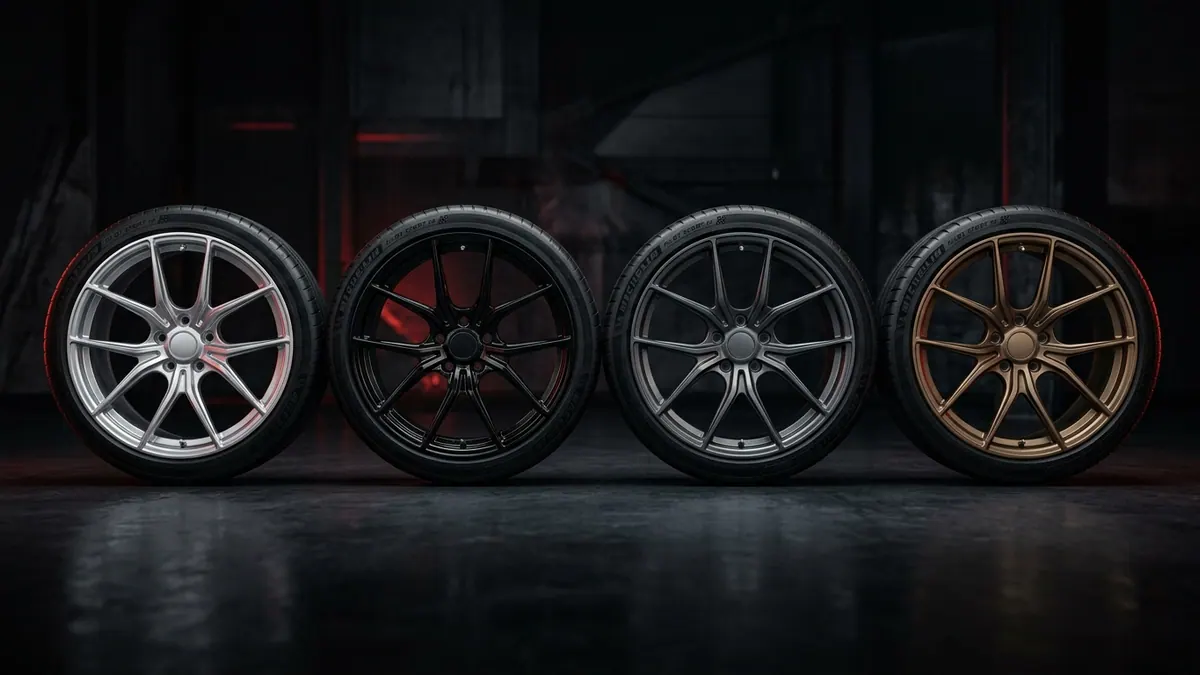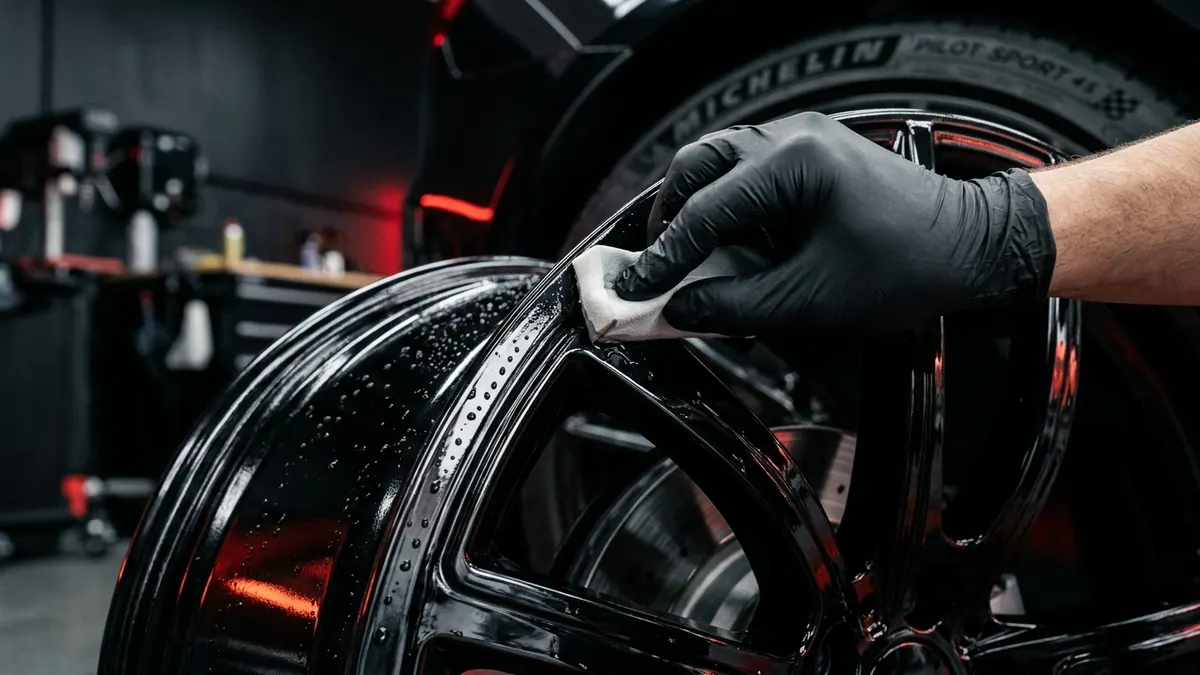
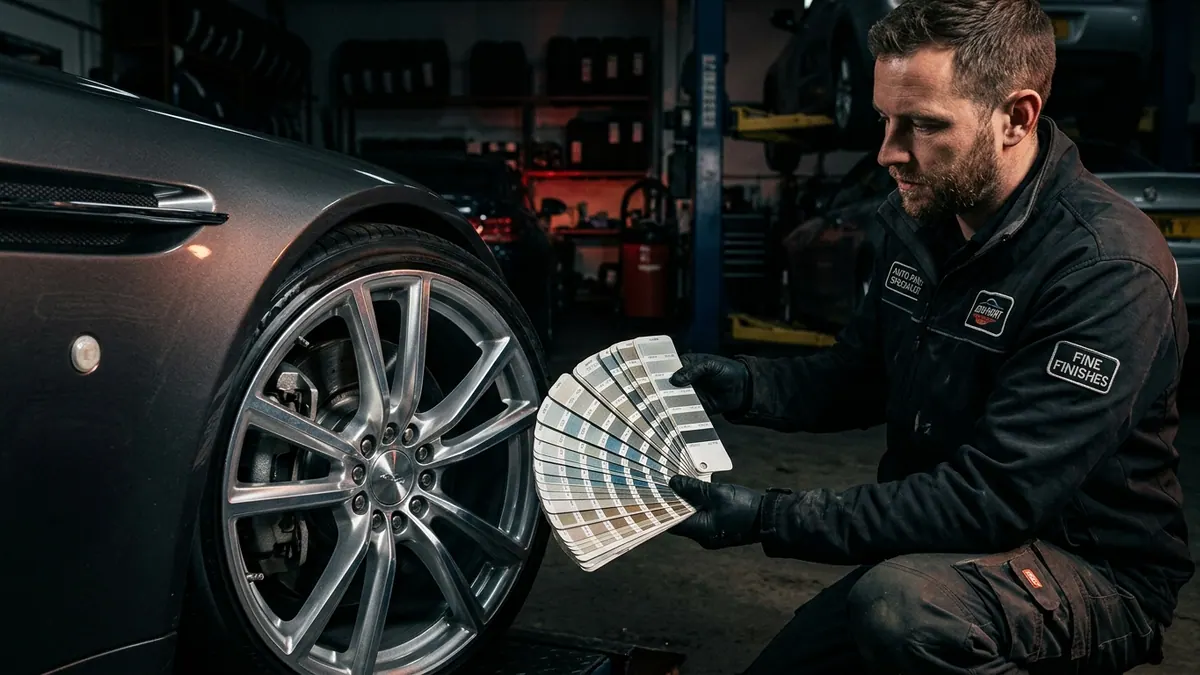
A kerbed wheel can look straightforward to repair until the colour is involved. A silver alloy may contain several tones, a dark grey can shift dramatically in sunlight, and a diamond-cut face is not simply painted at all. Knowing how to match wheel paint colour properly is what separates a repair that blends in from one that draws attention every time the car is parked.
A good match is about more than choosing a paint that looks close under workshop lights. The finish must suit the other wheels, the vehicle's age, the wheel's design and the way light catches its surface. That takes preparation, accurate colour assessment and the right finishing system.
Why wheel paint colours are harder to match than they look
Alloy wheel finishes are rarely plain colours. Even an OEM silver wheel may use a fine metallic flake, a tinted lacquer or a specific gloss level that changes its appearance. The difference between bright silver, satin silver, sparkle silver and shadow silver can be obvious once the wheel is back on the car.
Wheel paint also ages. Road salt, brake dust, UV exposure, harsh cleaners and previous repairs can alter the original appearance over time. This means the factory colour code, where one is available, is a useful starting point rather than a guarantee of a perfect visual match.
The position of the damaged area matters too. A small repair on the outer rim can sometimes be blended successfully. If the whole face is badly marked, lacquer is peeling or the finish has faded unevenly, refinishing the complete wheel usually produces the cleaner and more durable result.
How to match wheel paint colour properly
The most accurate process starts with identifying what is actually on the wheel. Is it a conventional painted finish, powder coating, gloss black, satin anthracite, a two-tone wheel or a diamond-cut design with lacquer over machined metal? Each requires a different approach.
Start with the wheel, not an online photograph
Photos can make a wheel look lighter, darker, warmer or cooler than it really is. Phone cameras automatically adjust white balance, while glossy paint reflects its surroundings. A colour that appears perfect on a screen may look completely wrong beside the vehicle.
The wheel should be inspected in person after it has been properly cleaned. Brake dust, tyre dressing and traffic film can hide the true tone. A technician will also assess the undamaged sections of the wheel, often around the spokes or inner barrel, to find the best reference point.
If all four wheels are present, compare them. The least weathered wheel may provide the truest guide, but a sensible repair plan should still account for the overall set. Matching one refurbished wheel to three older wheels is different from restoring all four to the original factory appearance.
Check the manufacturer information, then verify it
Vehicle and wheel information can help narrow down the original specification. Make, model, trim level, year and wheel size are all relevant, particularly where a manufacturer offered several wheel finishes on the same vehicle.
However, do not rely on a colour description alone. Terms such as grey, titanium, gunmetal and graphite are used loosely across the motor trade. Two wheels described as graphite can have very different metallic content, tint and gloss. The final decision should always be based on a physical comparison and a test sample where needed.
Match the finish as well as the shade
Colour is only one part of the job. The final look also depends on metallic grain, paint coverage and lacquer sheen. A gloss lacquer on a satin wheel can make a correct shade look wrong. Equally, a coarse metallic paint can look patchy on a wheel that originally had a fine, smooth OEM finish.
This is why a proper wheel repair involves more than applying a touch-up paint. The damaged area must be prepared evenly, primed where necessary and refinished with compatible products. The lacquer then needs to protect the finish from chips, moisture, brake dust and regular washing.
Use a spray-out card before committing
For difficult colours, a spray-out card is one of the most reliable ways to confirm the match. Paint is applied to a test panel using the intended process, then compared against the wheel in natural and artificial light.
This step is particularly valuable for metallic silver, darker greys and custom finishes. Paint can look different once it has dried, and the lacquer can alter the depth of the colour again. Testing before refinishing the wheel avoids guesswork and reduces the chance of an avoidable mismatch.
Special finishes need a different repair plan
Not every alloy wheel can be colour matched with conventional paint alone. Understanding the original process protects both the appearance of the wheel and the value of the repair.
Diamond-cut alloys
Diamond-cut wheels have a machined metal face, usually protected with clear lacquer, alongside painted sections between the spokes. The bright face comes from precision cutting on a lathe, not from silver paint. Painting over it may improve the appearance temporarily, but it will not recreate the crisp machined finish.
If the wheel has enough material remaining and is structurally sound, the proper route is normally to strip it, repair the damage, repaint the required areas and re-cut the face before applying fresh protection. There is a limit to how many times a wheel can be diamond cut, so an honest inspection matters.
Powder-coated wheels
Powder coating is durable and popular for full wheel refurbishments, particularly in black, anthracite and custom colours. It can provide an excellent, even finish, but it is usually best suited to refinishing the whole wheel rather than blending a small local repair.
A powder-coated wheel that has only been repaired on one edge may show a slight difference in texture or gloss. For a uniform result, especially on a wheel with widespread corrosion or peeling coating, a full strip and refinish is often the better investment.
Shadow chrome and highly reflective finishes
Shadow chrome, smoked chrome and similar reflective finishes are among the hardest to reproduce. Their appearance changes with the viewing angle and surrounding light, which makes a local repair difficult to disguise.
In many cases, a full wheel refurbishment is the most realistic option. A specialist should explain this before work starts rather than promise an invisible spot repair where one is unlikely to be possible.
When a colour match is not the main issue
Cosmetic damage is common, but not every damaged alloy is just a paint problem. A hard kerb strike can leave a wheel buckled, cracked or out of shape. Painting over a crack or corrosion around the bead seat does nothing for safety, and it can hide a problem that needs attention.
Before any refinishing work, the wheel should be checked for structural damage, air loss, distortion and previous poor-quality repairs. If welding or straightening is required, that work must be completed correctly before the cosmetic finish is restored. A wheel can look excellent and still be unsuitable for the road if the underlying damage has been ignored.
This is also why DIY paint kits have limits. They can tidy a very light scuff on a low-value wheel, but they are unlikely to replicate a complex OEM finish or address corrosion beneath the lacquer. Poor preparation can lead to lifting paint, visible edges and a repair that fails after a few months of Scottish weather.
Choosing the right level of refurbishment
The best solution depends on the wheel's condition and your expectations. A minor kerb mark on a standard silver painted alloy may be suitable for a local repair if the colour and finish can be blended accurately. A wheel with widespread chips, oxidisation or old repair marks will usually benefit from a complete refurbishment.
For premium vehicles, performance cars and distinctive factory finishes, the bar is understandably higher. Matching the wheel to the rest of the set, rather than simply covering the damage, is what protects the car's overall presentation. It can also make a difference when selling the vehicle, as mismatched wheels are quickly noticed by buyers.
At Wheel Fusion, colour assessment is treated as part of the repair, not an afterthought. The aim is a finish that looks right on the car in real conditions, with clear advice if a local repair, full refurbishment or specialist diamond-cut process is the sensible option.
If you are unsure whether your wheel needs a touch-up, a full repaint or structural work first, start with a proper visual inspection. The right colour is only worth having when the wheel beneath it is safe, sound and finished to last.