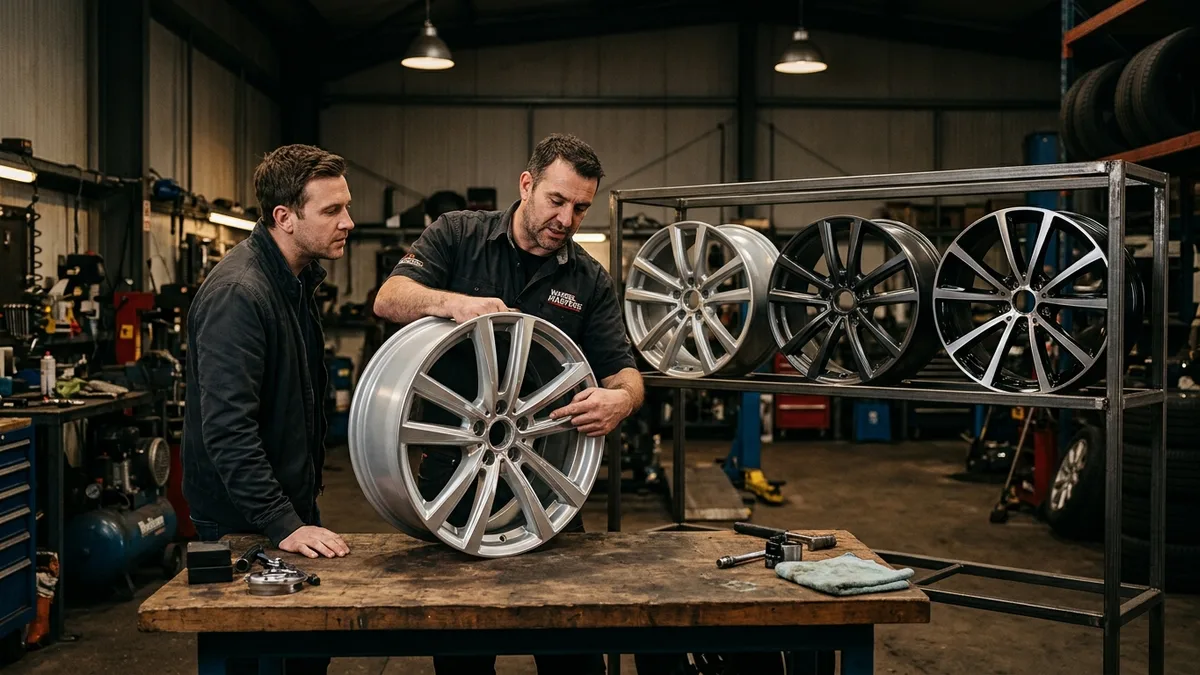
A kerbed alloy can make an otherwise well-kept car look tired. But when the damage includes vibration, a loss of tyre pressure, a visible crack or a buckle, the decision is about far more than appearance. Knowing how to choose wheel refurbishment means finding a specialist who can identify whether your wheels need a cosmetic finish, a structural repair, or both.
The cheapest quote is not always the best value, and a shiny finish alone is not proof that a wheel has been repaired properly. A good refurbishment should leave your alloys looking right, performing correctly and safe for the road.
Start with the condition of the wheel
Before comparing prices or colours, establish what has actually happened to the alloy. Light kerb marks, lacquer peel, corrosion and paint chips are usually cosmetic issues. They can often be repaired through careful preparation and refinishing.
A wheel that has struck a pothole, however, may have a buckle, flat spot or hairline crack. Common signs include steering wheel vibration, a tyre that slowly loses pressure, uneven tyre wear or a noticeable wobble at speed. These faults need proper inspection before any cosmetic work begins.
A reputable specialist should be willing to assess the wheel visually and explain the finding in plain language. There should be no pressure to pay for work that is not needed. If there is a crack or distortion, ask whether the workshop can carry out wheel welding and straightening in-house, and whether the wheel will be checked again after repair.
This distinction matters. Applying fresh paint over a damaged wheel might improve its appearance temporarily, but it does not correct the issue beneath it. Safety-led repair work should always come before the finishing process.
How to choose wheel refurbishment for your car
The right method depends on the wheel's construction, its present condition and the finish you want once it is back on the car. A daily driver with heavily corroded painted alloys may suit a durable powder-coated refurbishment. A premium vehicle with diamond-cut faces needs a more precise process to retain its factory-style look.
Ask the workshop to explain the proposed repair rather than simply naming a price. You should understand whether the wheels will be stripped, repaired, primed and coated, or whether a localised repair is appropriate. Both have their place. A mobile-style cosmetic repair can be convenient for a minor mark, while a full workshop refurbishment is normally the better choice where corrosion, widespread damage or a lasting finish is the priority.
It also helps to be realistic about the finish. Diamond-cut wheels look sharp because the face is machined to expose bright metal before lacquer is applied. They can be restored beautifully, but repeated cutting removes a small amount of material each time. A skilled technician should inspect the wheel and confirm that another diamond cut is suitable rather than assuming it is.
For wheels that have been refurbished several times, or for drivers who want lower maintenance, a painted or powder-coated finish may be the more practical long-term option. The best choice is not always identical to the original finish. It is the one that suits the wheel, your budget and how you use the car.
Look for specialist equipment and proven processes
Alloy wheels are safety-critical components. That is why refurbishment belongs with a dedicated wheel specialist, not just any bodyshop or general garage.
Good work starts with preparation. The old coating, corrosion and contamination need to be removed so the new finish has a sound surface to bond to. Damage should then be repaired with the wheel properly supported and assessed. For buckled wheels, precision straightening equipment is vital. For cracks, the repair should be carried out by trained technicians who understand where welding is appropriate and where replacement is the safer recommendation.
Ask how the wheel will be finished and cured. Powder coating is popular for its hard-wearing, even coverage and is well suited to many painted alloy wheels. Wet paint can be an excellent choice for colour matching and detailed custom finishes. Neither is automatically better in every case. The quality of preparation, materials, application and curing has just as much influence on the result.
Compare quotes properly, not just by the headline price
Wheel refurbishment quotes can vary because the scope of work varies. A low figure may cover a quick smart repair to the visible face, while another quote may include tyre removal, full stripping, corrosion treatment, structural correction, refinishing and refitting. They are not like-for-like jobs.
Before booking, ask what is included. Find out whether the price is per wheel, whether tyre removal and balancing are covered, and whether valve replacement, centre cap removal or damaged sensor handling carries an additional charge. If a crack, buckle or hidden corrosion is found once work begins, ask how the workshop will contact you and agree any extra work before proceeding.
Clear pricing protects both sides. You should not be left guessing why the final invoice is higher than the original estimate, and the repairer should have the chance to explain any genuine issues discovered during inspection.
Turnaround time is worth discussing too. Same-day repair can be ideal for certain cosmetic jobs, particularly when you need the car back quickly. More involved refurbishment, welding, straightening or multi-stage finishes may take longer because rushing preparation or curing is not good practice. Fast service is valuable, but it should not come at the expense of a sound repair.
Check the finish options before committing
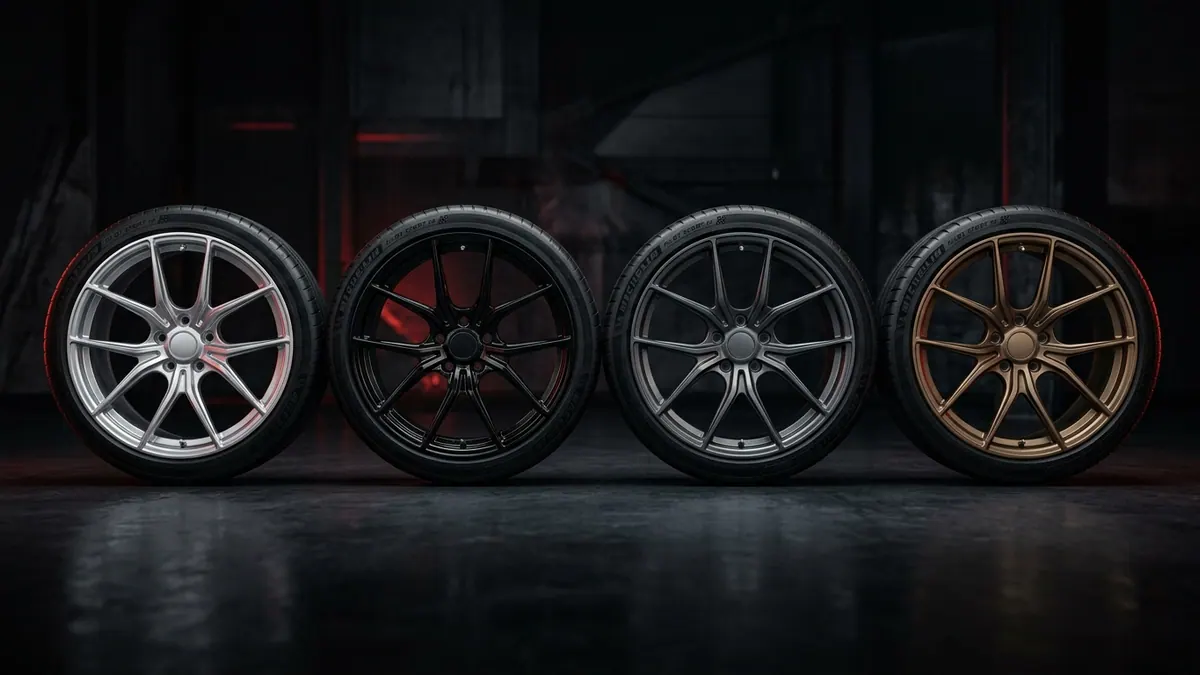
Colour is where refurbishment can transform the look of a vehicle. Standard silver remains a safe choice for preserving an original appearance and resale appeal. Anthracite, gloss black, satin black and darker metallic shades can give a modern, more purposeful look. Custom colour matching offers more freedom, especially if you are pairing wheels with brake caliper paintwork or other styling changes.
Ask to see examples of completed wheels in the finish you are considering. Photos can help, but a workshop should also be able to explain how gloss, satin and matt finishes behave in normal use. A high-gloss black wheel can look excellent but will show brake dust and road grime quickly. A satin finish may hide minor marks better, while a brighter machined face demands more careful upkeep.
Do not overlook the inside of the wheel. A full refurbishment should provide a consistent, durable coating where it is needed, not merely concentrate on the visible front face. This is especially relevant in Scotland, where wet roads, grit and winter salt can accelerate corrosion.
Assess trust, communication and aftercare
You are handing over an expensive and safety-critical part of your car, so the workshop's approach matters. Look for clear before-and-after examples, genuine customer feedback and technicians who can answer direct questions without vague promises. A good specialist will discuss limitations as well as results.
It is sensible to ask about workmanship guarantees and the care needed after refurbishment. Freshly refinished wheels should be cleaned regularly with pH-neutral wheel cleaner rather than harsh acidic products. Avoid aggressive brushes on diamond-cut surfaces, and deal with stone chips or kerb marks early before water gets beneath the coating.
Local knowledge can make the process easier as well. A dedicated Glasgow workshop such as Wheel Fusion can inspect the damage, set out the options and complete cosmetic and structural wheel work under one roof. That avoids the confusion of moving between a tyre garage, welder and paint shop when the issue is more than a simple scuff.
The right refurbishment should give you confidence every time you look at the car and every time you drive it. Choose a repairer who takes the time to inspect first, explain the options clearly and recommend only the work your wheels genuinely need.