A wheel finish can make a well-kept car look sharper, newer and more individual. It can also make brake dust, stone chips and winter road grime far more obvious than you expected. Knowing how to choose wheel colour finishes means looking beyond the colour sample and considering your car, how you use it and the condition of the alloys underneath.
At Wheel Fusion, we see the difference a properly chosen and professionally applied finish makes every day. The best choice is rarely the loudest one. It is the finish that suits the vehicle, holds up to real driving and gives you a result you will still be happy with after the first Scottish winter.
Start with the look of the car
Your wheel colour should work with the bodywork rather than compete with it. A finish that looks excellent on a photograph can feel out of place once fitted to your own car, especially if the wheel design, paint colour and trim level are not taken into account.
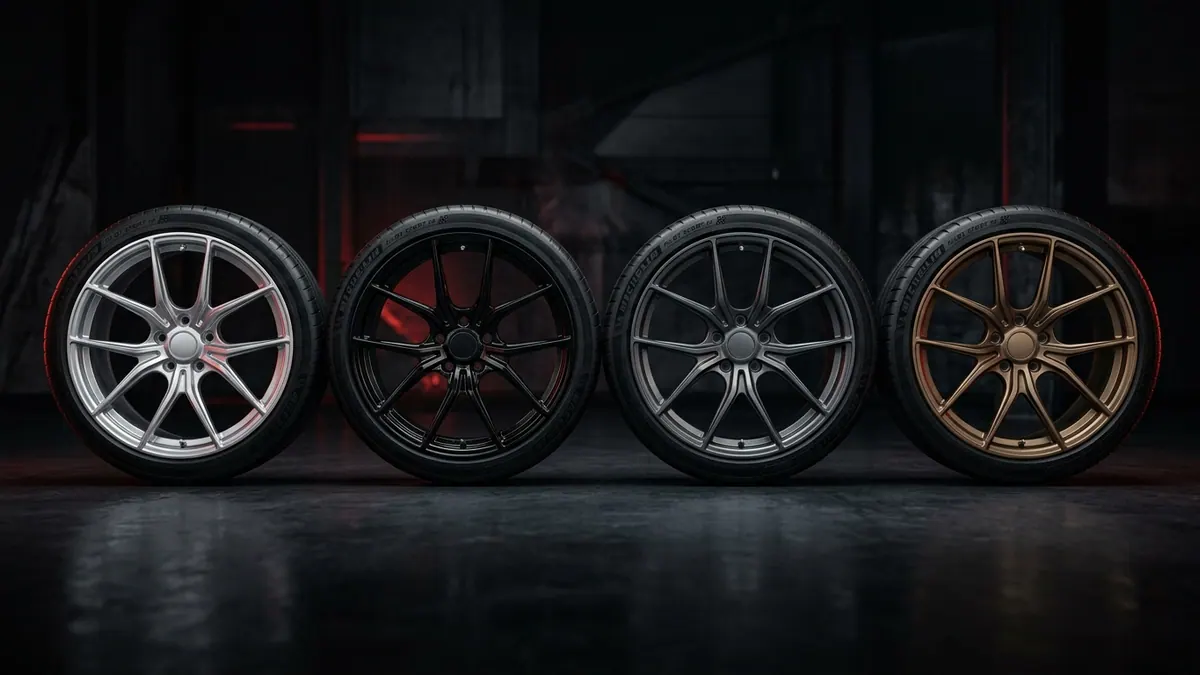
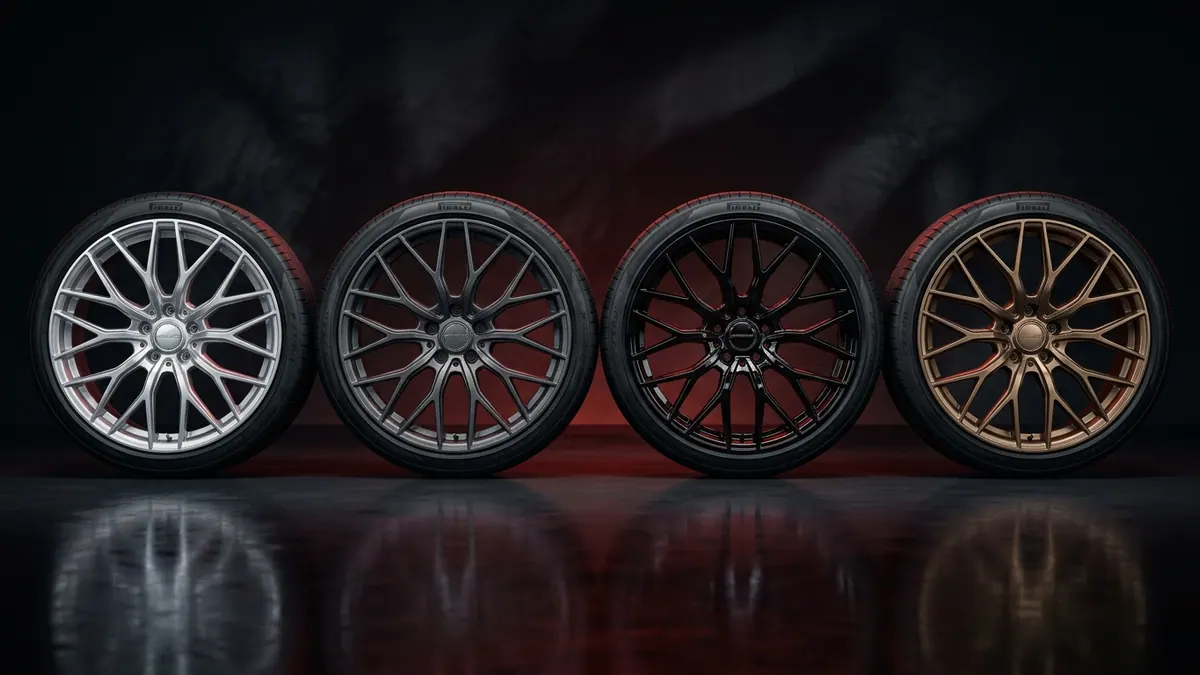
Silver remains the safest option for many vehicles because it looks clean, keeps close to the original manufacturer appearance and suits almost every body colour. It is a strong choice for daily drivers, lease vehicles and owners who want a fresh, OEM-style result without changing the character of the car.
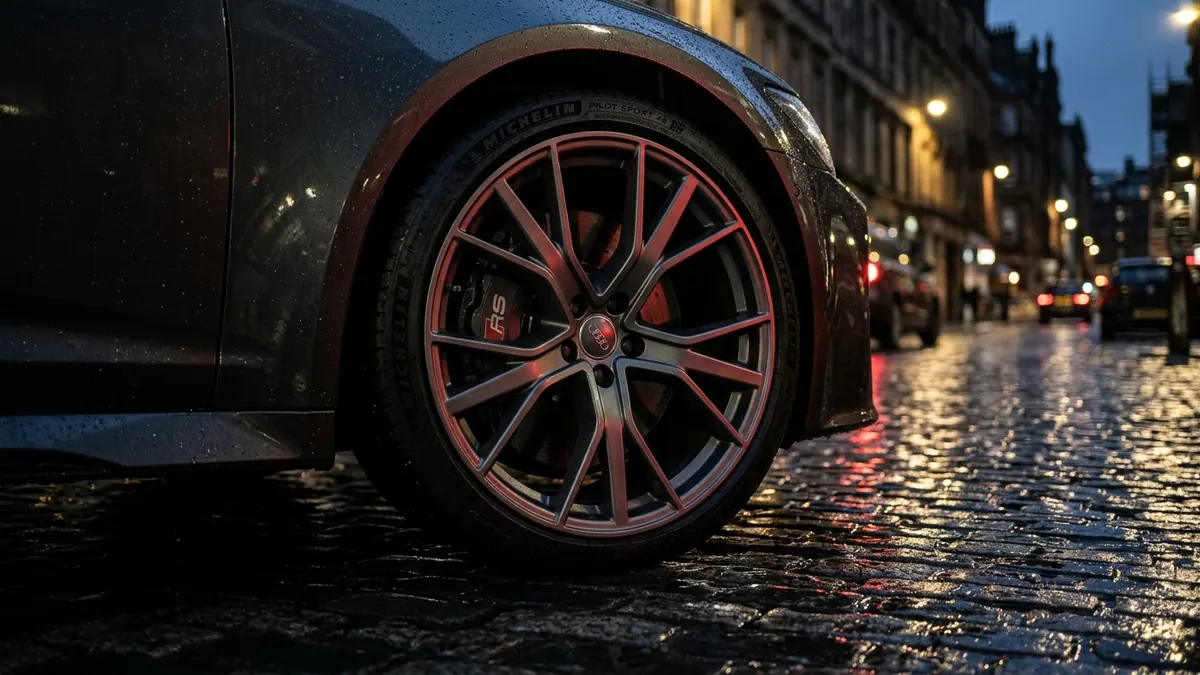
Darker finishes such as anthracite, gunmetal and gloss black create more contrast and can make a wheel design appear larger or more defined. Anthracite is particularly versatile: it adds a more purposeful look without the very dark appearance of black. On white, silver, grey and many blue cars, it is often an easy upgrade that still feels factory appropriate.
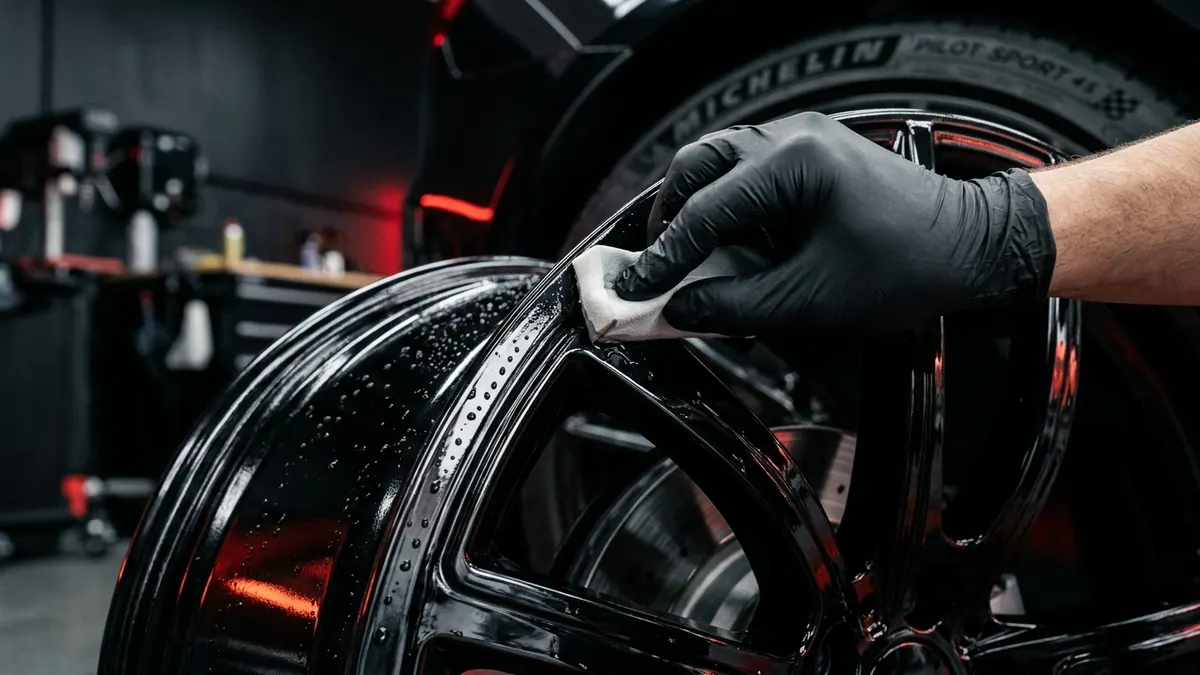
Black wheels can look excellent on cars with black window trims, grilles or mirrors. The trade-off is that fine details in the spoke design may disappear, particularly on a wheel with narrow spokes or deep recesses. A gloss black finish gives a stronger, more reflective appearance, while satin black is slightly subtler and better at hiding light dust and minor marks.
Bronze, gold and custom colours suit the right vehicle and the right owner. They can bring real character to performance cars, classics and enthusiast builds, but they need careful consideration. A warm bronze can complement red, green, white and darker metallic paintwork beautifully. On another car, it may look disconnected. Our custom colour matching service gives you the freedom to explore bespoke shades with expert guidance, so the result stays considered rather than impulsive.
How to choose wheel colour finishes for daily use
A car used every day needs a finish that looks good between washes, not just when it leaves the workshop. Brake dust, salt, loose chippings and kerbside parking all influence the sensible choice.
Gloss black is unforgiving when it is dirty. It shows dust, water spotting and fine scratches more readily than most finishes. Diamond-cut alloys can also look striking, but the exposed machined surface needs proper protection and regular cleaning to retain its appearance. If you cover high mileage, park on busy streets or prefer not to clean the wheels every week, silver, anthracite or a satin finish may be a more practical answer.
Think about the design of your wheel as well. A simple five-spoke alloy is easy to clean in almost any colour. A multi-spoke wheel with a dark inner barrel can hide brake dust reasonably well, but it may take longer to wash thoroughly. High-gloss finishes and polished details reward care, while tougher, understated finishes are more forgiving of normal use.
Choose the finish process, not only the colour
Two wheels may look the same when freshly painted but perform very differently over time. The preparation and finishing method are as important as the shade itself.
Powder coating for durable colour
Powder coating is a popular choice for full-colour alloy refurbishment because it provides a durable, even coating across the wheel. It is well suited to silver, black, anthracite, bronze and many custom colours. Once the wheel has been properly prepared, powder coating offers strong resistance to everyday wear and gives a consistent result across all four alloys.
It is an excellent option for drivers who want a lasting finish and a wide choice of colours. The surface can be completed in gloss, satin or matt levels, which changes the final appearance more than many people realise. A satin anthracite, for example, looks very different from the same colour in full gloss.
Diamond cutting for a factory-style contrast
Diamond cutting creates a bright, machined face on the wheel, usually paired with painted sections in silver, black, grey or another colour. This is common on modern premium vehicles and can restore the crisp, two-tone appearance the car left the factory with.
The process requires precision equipment because a fine layer of metal is machined from the wheel face. It is not suitable for every alloy, and it cannot be repeated indefinitely. If a wheel has previously been diamond cut several times, or has corrosion and damage in difficult areas, a full painted finish may offer a better long-term result.
Diamond-cut wheels also need a protective lacquer applied correctly. If moisture gets beneath damaged lacquer, corrosion can spread under the finish. That does not mean diamond cutting should be avoided. It means it should be chosen with a clear understanding of the upkeep and the wheel's condition.
Painted and custom-matched finishes
Custom paint systems give more freedom where an exact shade, a distinctive colour or a specialist effect is required. Our custom colour matching service is useful when matching an original wheel finish that is no longer straightforward to source, or when creating a considered custom look. A custom finish should still suit the car's proportions and purpose — and for a more flexible result, choose a colour that complements the vehicle and can be returned to a conventional finish later if needed.
Match the finish to your budget and ownership plans
It is tempting to select the cheapest route when the wheels are kerbed or flaking. However, the real value comes from the preparation, repair work and durability of the finish, not simply the first-day appearance.
If you plan to keep the car for years, investing in a high-quality alloy wheel refurbishment usually makes more sense than repeating quick cosmetic repairs. If the vehicle is being prepared for sale or returned at the end of a lease, an OEM-style silver or original-style diamond-cut finish can improve presentation without making the car look overly modified.
Custom colours are more personal. They can make the car stand out and are often worth it for a vehicle you genuinely enjoy owning. Just be honest about how long you expect to keep it, how much maintenance you are prepared to do and whether originality matters to you.
Do not ignore wheel damage before choosing a finish
A new finish cannot correct a bent, cracked or badly corroded wheel. In fact, refinishing without proper inspection can hide issues that deserve attention first.
Before any colour decision, the alloy should be assessed for kerb damage, corrosion, cracks, flat spots and signs of buckling. A buckled wheel can cause vibration, uneven tyre wear and poor ride quality. Cracks and structural damage need specialist attention — our alloy wheel welding service can assess whether repair is appropriate before the wheel is refinished. Where repair is suitable, straightening or welding work should always be completed first.
This is especially relevant with diamond-cut alloys. The wheel needs enough sound material for machining, and corrosion around the spokes or centre area may affect what finish is realistically possible. Honest advice here saves money and prevents disappointment later.
Use samples and photographs carefully
Wheel colours change dramatically with light. A gloss black sample indoors may look deep and elegant, then appear almost flat in dull daylight. Metallic greys can show more silver in direct sun, while bronze can shift from subtle to bold depending on the paintwork beside it.
Ask to see finish samples where possible and view examples on similar vehicles, not just close-up images of a single alloy. Consider the car with its tyres fitted, its brake calipers visible and its usual body colour. If you are also having calipers painted, decide whether you want contrast or restraint. A bright caliper works well behind darker wheels, while a detailed diamond-cut face may need a calmer caliper colour to avoid a busy overall look.
The right wheel finish should feel like part of the car, not an afterthought. Choose a colour you will enjoy seeing on the driveway, a process suited to your driving and a repair standard that protects both the appearance and condition of the alloy. That is how a wheel refurbishment stays looking right long after the first clean.