Smart repair – sometimes called SMART repair (Small to Medium Area Repair Technology) – is a localised repair technique that fixes a specific area of damage without refinishing the entire wheel. It's faster and cheaper than a full refurbishment, making it a popular option for minor damage.
How Does Alloy Wheel Smart Repair Work?
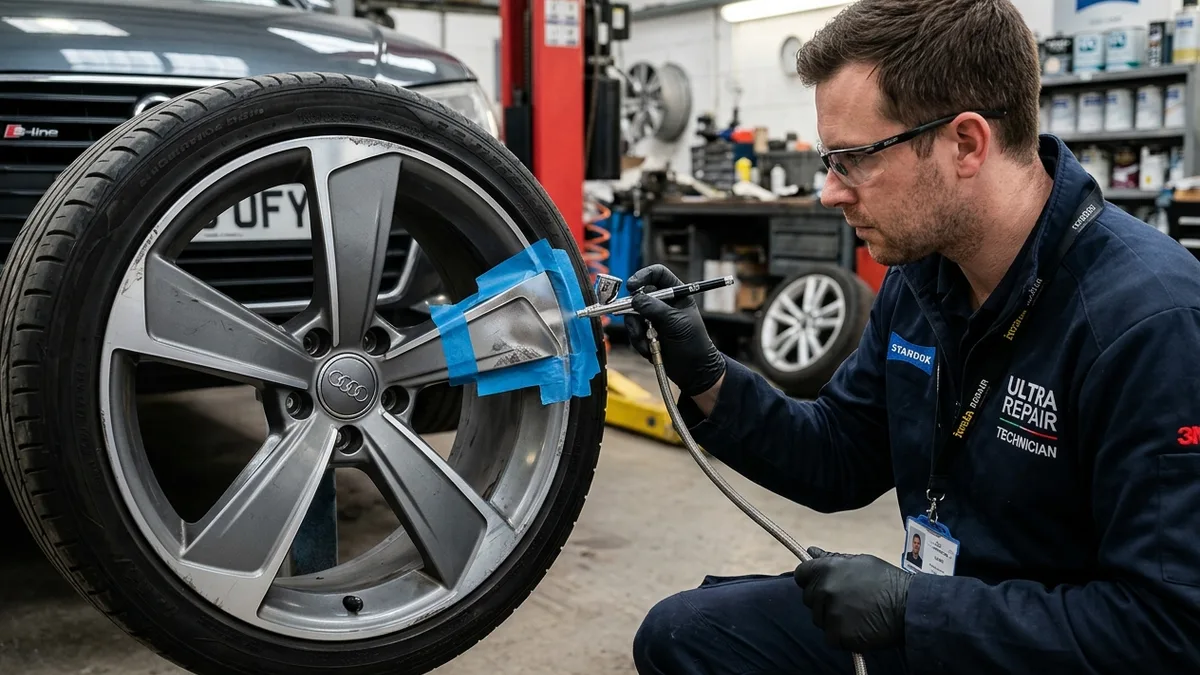
Smart repair focuses on the damaged section of the wheel rather than stripping and refinishing the whole thing. The process typically involves:
- Cleaning and degreasing the damaged area
- Sanding back the damage and preparing the surface
- Applying filler if the damage has created a gouge or recess
- Masking the surrounding wheel area
- Applying primer, colour-matched paint, and lacquer to the repaired section
- Blending the repair into the surrounding finish
When done well by a skilled technician, a smart repair is virtually undetectable. The key is accurate colour matching and careful blending – without both, the repaired section will be obvious.
What Damage Is Smart Repair Suitable For?
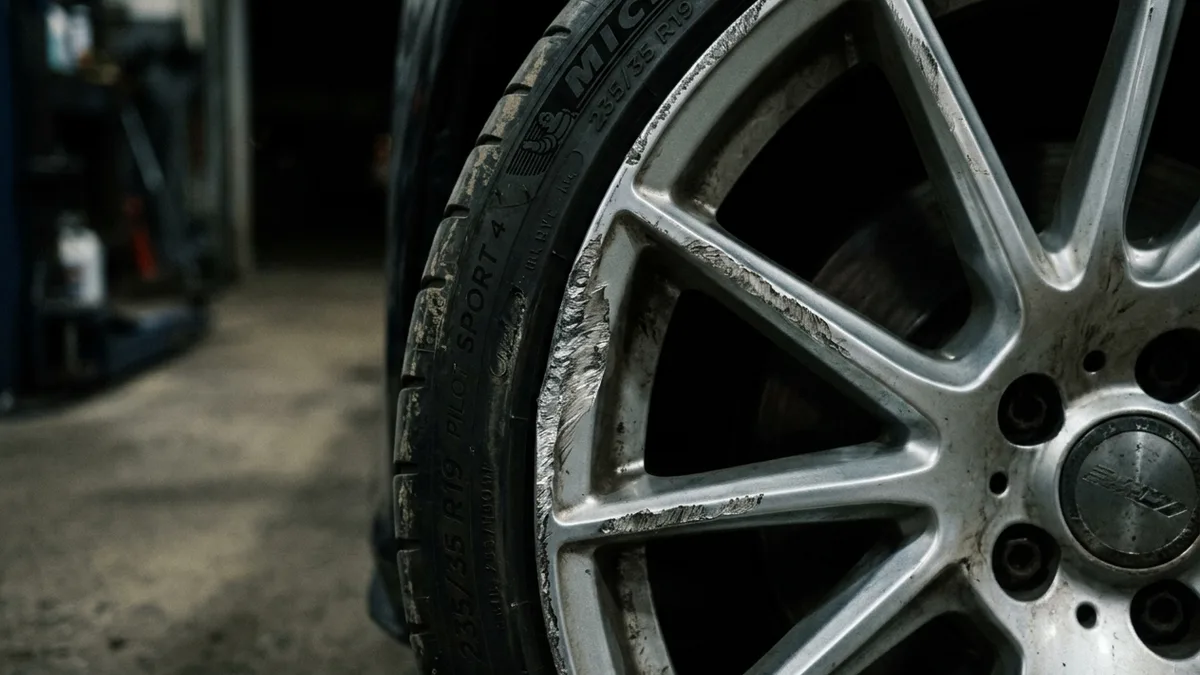
- Kerb scuffs and scrapes on the rim face or edge
- Chips and scratches in the painted surface
- Light corrosion that hasn't penetrated deeply
- Minor surface damage that hasn't affected the structural integrity of the wheel
What Smart Repair Is NOT Suitable For
- Diamond cut alloy wheels – the machined face cannot be replicated with spray paint
- Deep structural damage – cracks, buckles, or significant bending
- Widespread corrosion across the wheel face
- Damage on or near the bead seat
- Situations where you want a full, uniform finish across all four wheels
Smart Repair vs Full Refurbishment
Smart repair is cheaper and faster – but it's only the right choice for appropriate damage. A full refurbishment strips the wheel to bare metal, addresses all damage, and applies a completely fresh finish. The result is a wheel that looks new from every angle, with the finish consistent across the entire surface.
For a single kerb scuff on one wheel where the rest of the wheel is in good condition, a smart repair makes sense. For wheels with widespread damage, corrosion, or where you want all four to match perfectly, full refurbishment is the better investment.